What Are Oats? Their Nutritional Value, Effects, and Use in Eti Products
With their natural structure and high nutritional value, oats are one of the indispensable grains of balanced nutrition. While their content rich in fiber, protein, and vitamins can provide a feeling of energy throughout the day, Eti's oat-containing products also combine both flavor and rich content.
07/10/2025
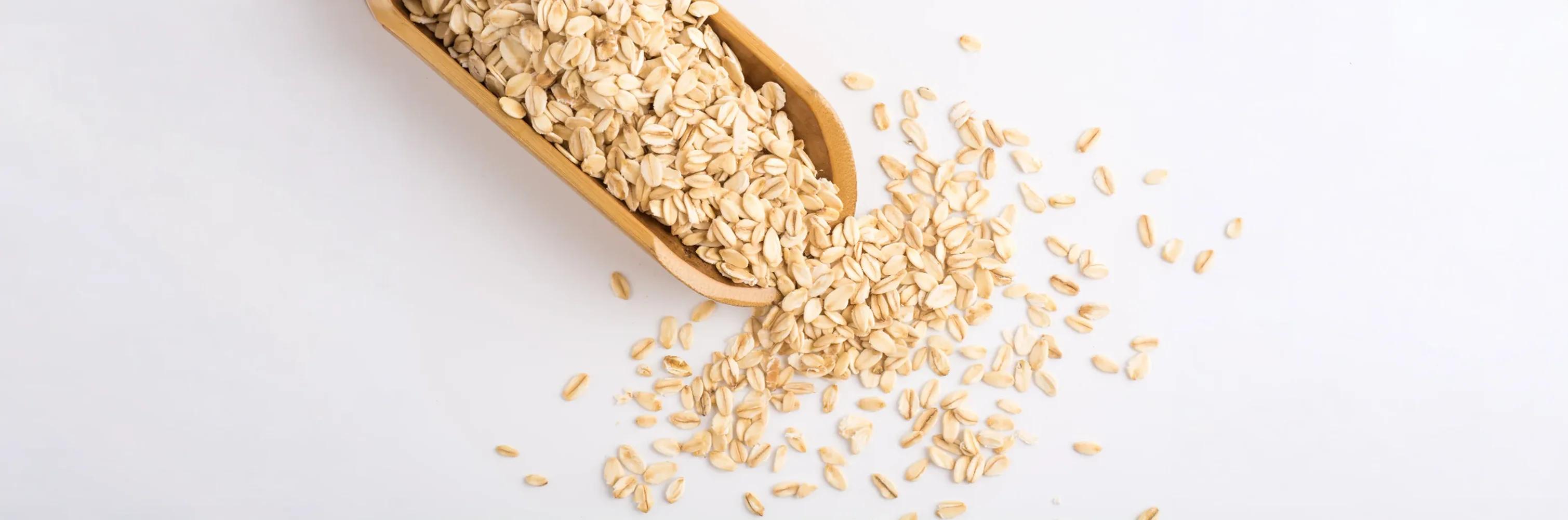
Oats are one of the most popular foods of recent years. We come across them at breakfast, in trending recipes, in quick snacks — in short, everywhere. So what is the secret behind this humble grain's widespread popularity? What are the unique characteristics that make it so special? Let's now look together at oats' rich fiber structure, their benefits, and how you can easily incorporate oats into your daily diet with Eti's Lifalif brand!
Editor's Note: This content is intended solely for general informational and recipe purposes; it does not constitute any nutritional advice or health recommendation. Consumption needs may vary from person to person. Each individual's health status and needs may differ; if you have a specific condition, it is recommended that you consult a specialist.
What Are Oats?
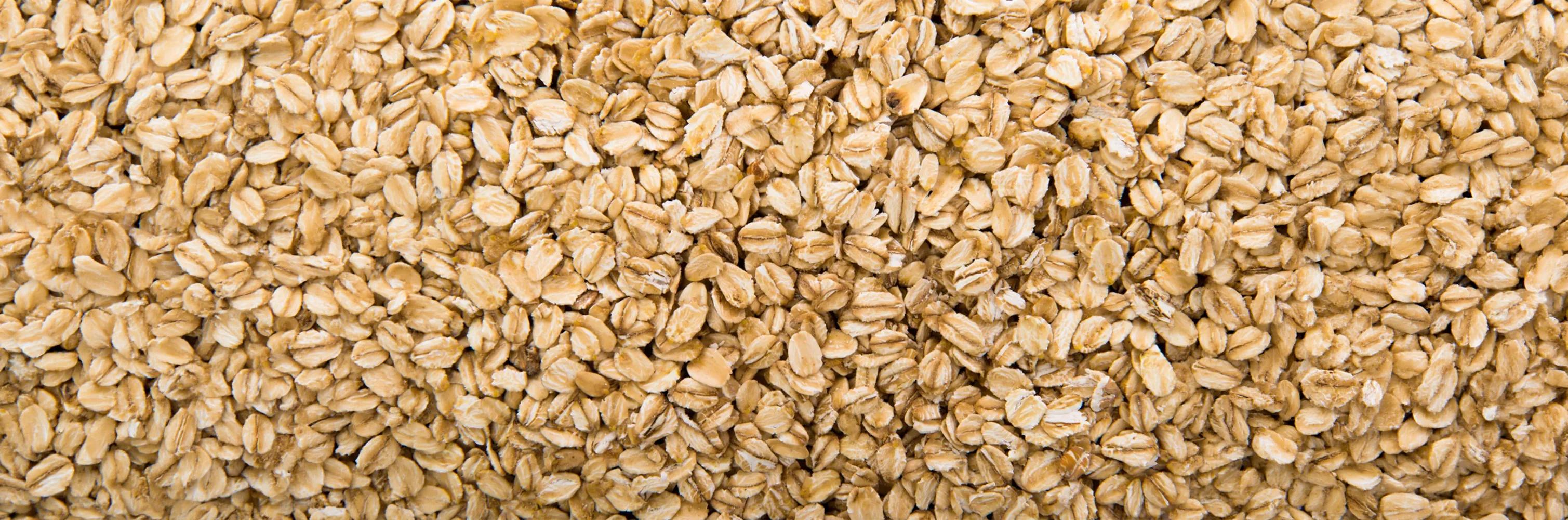
Oats (Avena sativa in scientific terms) form an annual cereal plant belonging to the Poaceae (grass) family, resilient in harsh climate conditions. What actually makes oats special is their nutritional value and, in particular, their fiber content. Oats contain high amounts of a soluble fiber called beta-glucan. This type of fiber forms a gel-like structure when oats are combined with liquid. This property makes oats a wonderful food that may both support the digestive system and keep you full for a long time.
As expressed in many sources, oats are also abundantly rich in important vitamins and minerals such as manganese, phosphorus, magnesium, vitamin B1 (thiamine), and iron, in addition to carbohydrates, protein, and healthy fats.
Where Do Oats Come From?
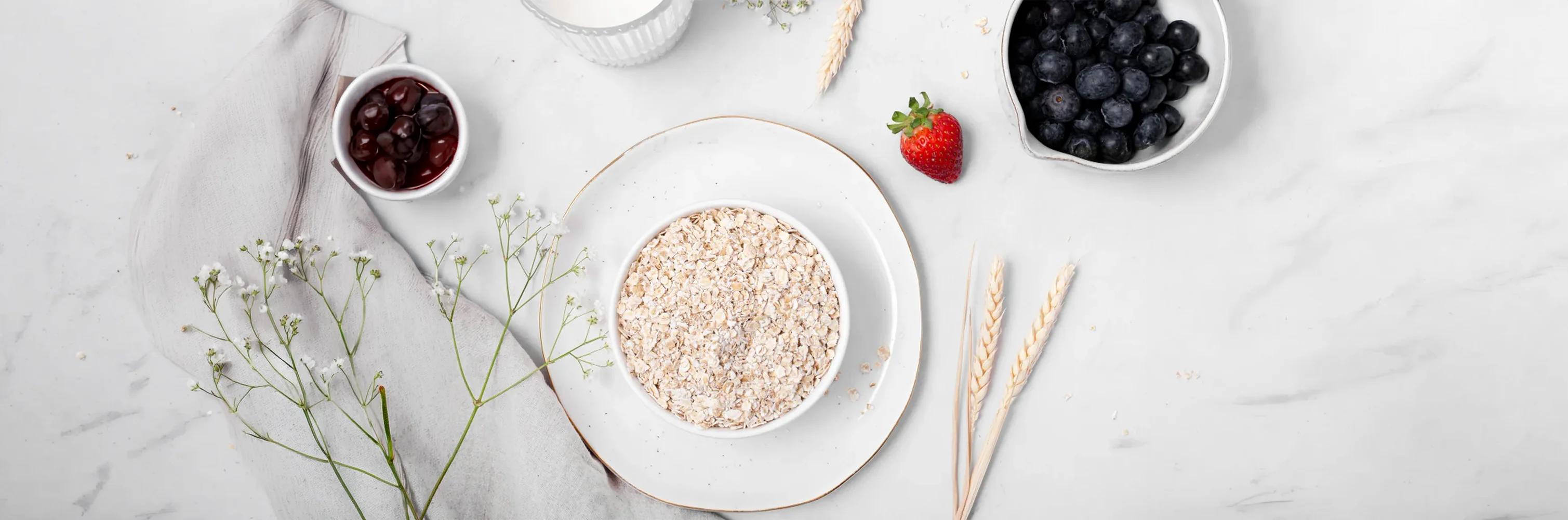
Historians believe that the origins of oats trace back to the Near East and that their wild forms first appeared there. However, in early times, oats were seen as a weed growing among grains such as wheat and barley, and were initially used as animal feed.
The importance of oats as a food for humans was recognized particularly thanks to their resilience in harsh and cold climatic conditions. Oats grow easily in cooler and wetter regions such as Scotland, Ireland, and Scandinavia. In Scotland in particular, oatmeal porridge became a cultural icon, cementing its reputation as a staple food. Today, oats are a global symbol of healthy eating around the world.
How Are Oats Consumed?

One of the most important reasons for the popularity of oats is that they are a flexible and practical food. Oats can easily be incorporated into almost every meal.
- The most classic and well-known way to consume oats is, of course, as oatmeal porridge. You can prepare a warm breakfast by cooking them with milk or water.
- If you prefer consuming them cold, overnight oats — a trend of recent years — can come to your rescue.
- By mixing them with yogurt or milk the evening before and leaving them in the refrigerator, you can have a ready-made, practical breakfast by morning.
- It is also possible to use rolled oats as a binding and fiber-rich ingredient in baked goods such as cookies, granolas, or breads.
- You can even blend them into flour and use them in crepes and pancakes.
- In other words, oats find their place not only at breakfast, but in creative recipes at any time of day.
Do Oats Cause Weight Gain?
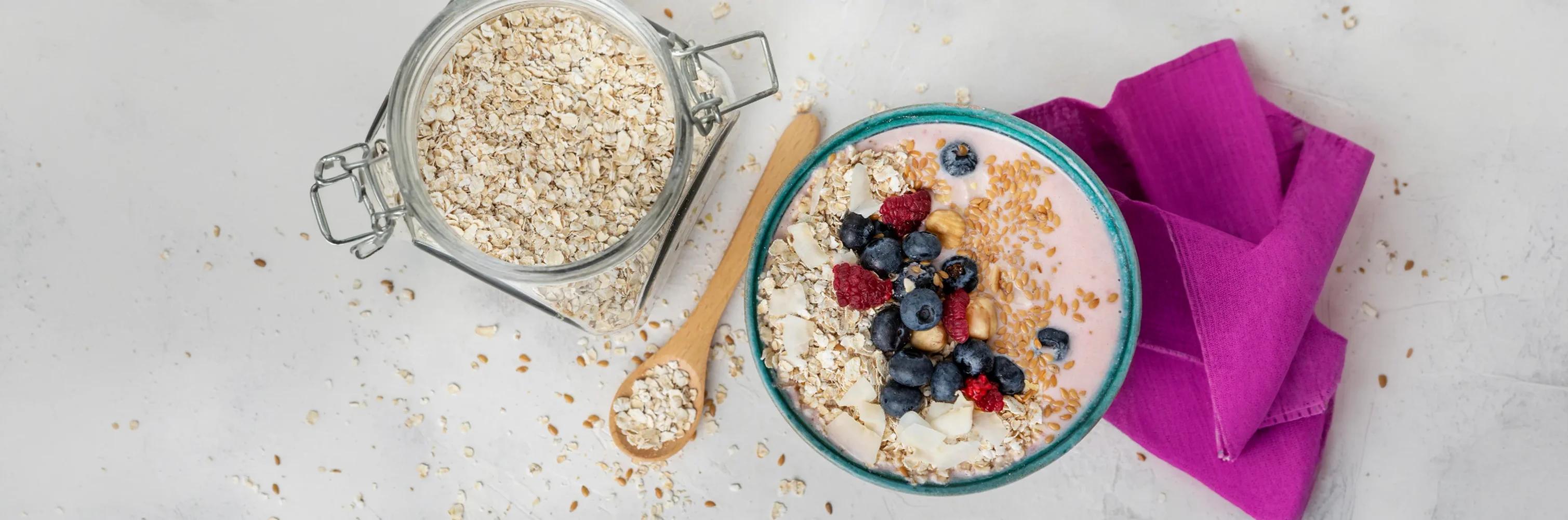
Due to their high carbohydrate content, oats are sometimes thought to potentially cause weight gain. However, it is actually noted that oats may support weight management when portion control is maintained.
The main reason oats may support weight management is their rich fiber structure. The beta-glucan fiber they contain in particular forms a gel-like structure in the stomach, which may help extend the duration of the feeling of fullness. As a result, less hunger may be felt and unnecessary snacking throughout the day may be avoided.
What matters is the ingredients you add when preparing your oats. If you consume oats with excessive amounts of sugar, honey, high-fat nut butters, or high-calorie sauces, the total calorie count will increase. However, a standard portion of oats prepared simply with fruit and a few nuts can make a positive contribution to weight management within a balanced diet.
Types of Oats and Practical Tips
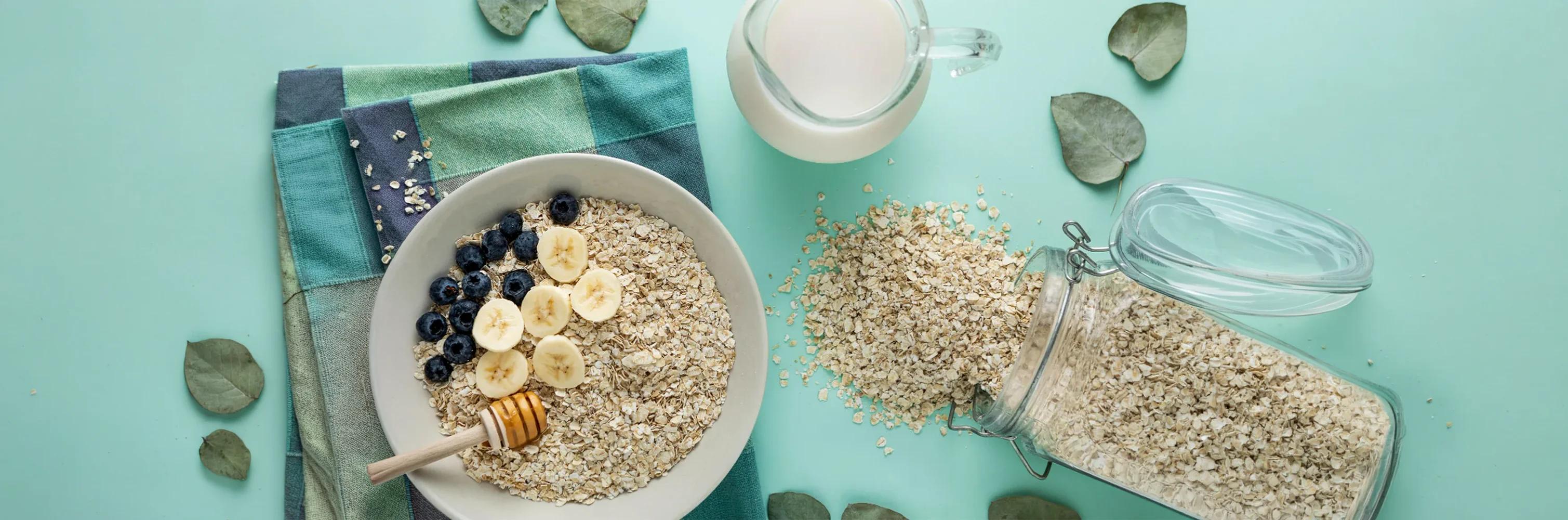
There are many varieties of oats available. Knowing the differences between them is important for making the choice that suits both your taste and your preparation time.
The Differences Between Rolled Oats, Oat Flakes, and Oat Flour
Oats take different names depending on how they are processed.
- Rolled oats: Obtained by steaming and rolling oat grains. This is the most widely consumed form of oats. It has a short cooking time and is ideal for oatmeal porridge recipes.
- Oat flakes: This is the form of rolled oats that have been cut into thinner pieces and subjected to a pre-cooking process. They instantly absorb water or milk. Although they are the quickest to prepare, they require slightly less chewing than rolled oats.
- Oat flour: Obtained by finely grinding oat grains. Used as a flour substitute in gluten-free recipes.
Enrich Your Diet with Lifalif Oats
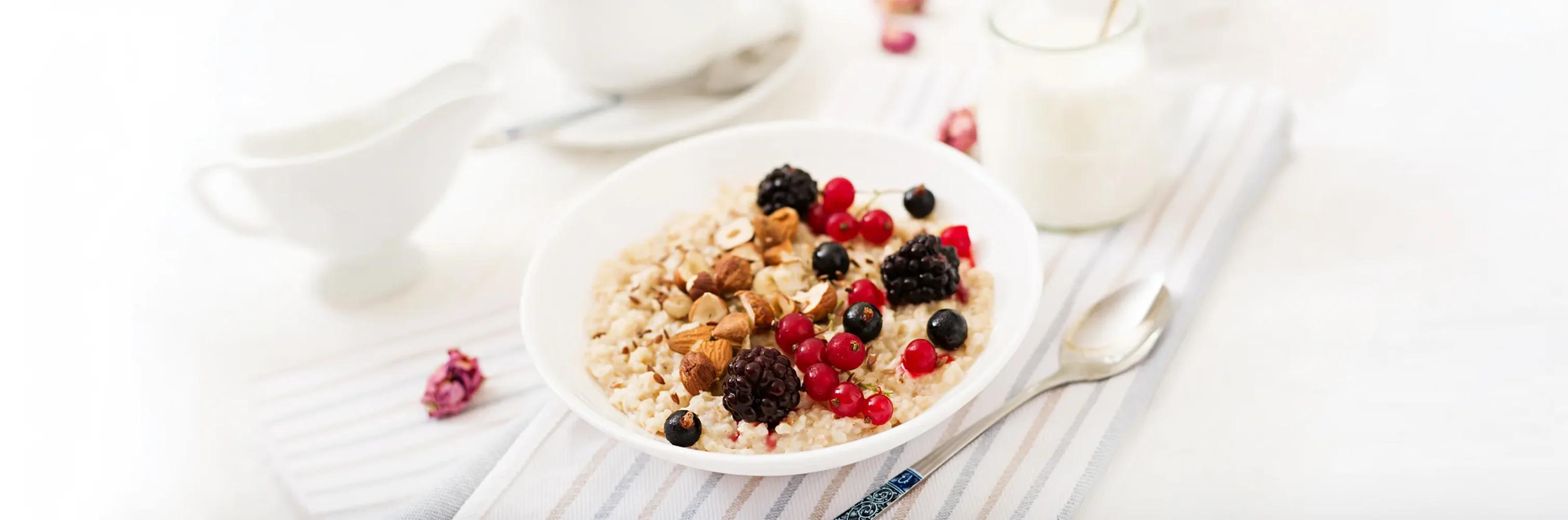
Eti brings the rich content and flavor of oats to your table through the Lifalif brand, which offers practical solutions suited to the pace of daily life. Lifalif products present oats in a variety of forms, ensuring that everyone can find an option suited to their taste and needs.
Using Lifalif's plain rolled oats, you can create your own creative recipes and prepare quick and delicious breakfasts. In addition, Lifalif's ready-mixed, fruity, or nutty cereal varieties allow you to enjoy a fiber-rich meal even when you are in a hurry. Eti Lifalif presents the natural benefits of oats in practical packaging, making balanced eating an enjoyable habit.
Don't forget to explore the oat-filled world of Eti Lifalif to take your first step toward a balanced and delicious way of eating!
*The information provided in this article is for informational purposes only. It does not constitute medical advice, treatment recommendations, or warnings. Prior to consuming oats and oat-based products or making changes to your diet, please consult a physician or relevant specialist regarding gluten sensitivity (celiac disease), digestive disorders, or any special dietary requirements you may have.
Sources:
- “The Nutrition Source: Oats”, Harvard T.H. Chan School of Public Health, 2023. (online)
- “Oat Beta-glucan: Its Role in Health Promotion and Prevention of Diseases”, National Center for Biotechnology Information (NCBI), 2021. (online)
- “9 Health Benefits of Eating Oats and Oatmeal”, Healthline (Medically Reviewed), 2023. (online)