What Is Black Seed? Its Effects, Uses, and Its Place in Eti Products
Did you know that black seed has been referred to throughout history as the “blessed seed”? An indispensable ingredient in traditional medicine and remarkable flavors, black seed has been at the center of wellness trends for many years.
06/10/2025

A plant found even in the tombs of Egyptian pharaohs, which has carved out a place for itself deep in history: black seed. Going beyond being a classic spice with both its flavor and its powerful antioxidant properties, black seed holds an indispensable place in traditional medicine and kitchens. So, what exactly do you know about these black pearls? In this article, we explore the effects of black seed and black seed-containing Eti products together!
Editor's Note: This content is intended solely for general informational and recipe purposes; it does not constitute any nutritional advice or health recommendation. Consumption needs may vary from person to person. Each individual's health condition and needs may differ; if you have a specific condition, you are advised to consult a specialist.
What is Black Seed?

Black seed, known by its Latin name Nigella Sativa, is an annual plant species belonging to the Ranunculaceae (buttercup) family. These black seeds, which have been used in kitchens and traditional medicine for thousands of years, are widely preferred around the world thanks to their rich nutritional value and especially their powerful bioactive compound called thymoquinone.
Where Does Black Seed Grow?

Black seed is widely cultivated today in the Middle East, North Africa, South Asia, and Mediterranean countries. In Turkey, cities such as Konya, Afyon, Burdur, Isparta, and Usak stand out as key growing regions. Preferring sunny, temperate, and warm climates, black seed does not thrive in soils where moisture and water are close to the surface. The plant's origins trace back to the Eastern Mediterranean, Southern Europe, and Western Asia.
What Are the Types of Black Seed?

The genus Nigella, which is the scientific name for black seed, contains approximately 20 to 25 different species worldwide. However, the most well-known and consumed varieties of black seed are generally grouped under three headings.
Nigella Sativa
Nigella Sativa constitutes the variety known as the true black seed. The seeds of this variety have a black, sharp, and aromatic flavor. It is known to be extremely rich in thymoquinone, which is especially noted for its powerful antioxidant properties. Nigella Sativa, the most frequently preferred variety of black seed, is also known among the public as black cumin.
Nigella Damascena
Nigella Damascena constitutes a variety grown mostly as an ornamental plant, with showy blue or white flowers. Although its seeds resemble those of Nigella Sativa, this plant—whose use is not very widespread—is generally preferred for decoration or traditional handicrafts.
Nigella Arvensis
Nigella Arvensis is a variety of black seed that can also be seen as a weed and is more commonly found in agricultural areas. It is stated that the medicinal or commercial value of this plant is lower than that of Nigella Sativa.
What Are the Benefits of Black Seed?

In various sources, the benefits of black seed are listed as follows:
- Black seed can offer multi-faceted effects on the body with its rich fatty acids, vitamins A, B, and C, and minerals such as calcium, potassium, and zinc.
- Thanks to the thymoquinone compound it contains, it may contribute to maintaining the normal functions of the immune system.
- It may help support the ideal functioning of the digestive system. It may contribute to alleviating problems such as gas, bloating, and indigestion.
- With its rich fiber content, it may support maintaining weight control.
- It may contribute to maintaining blood sugar and cholesterol at ideal levels.
Ways of Consuming Black Seed
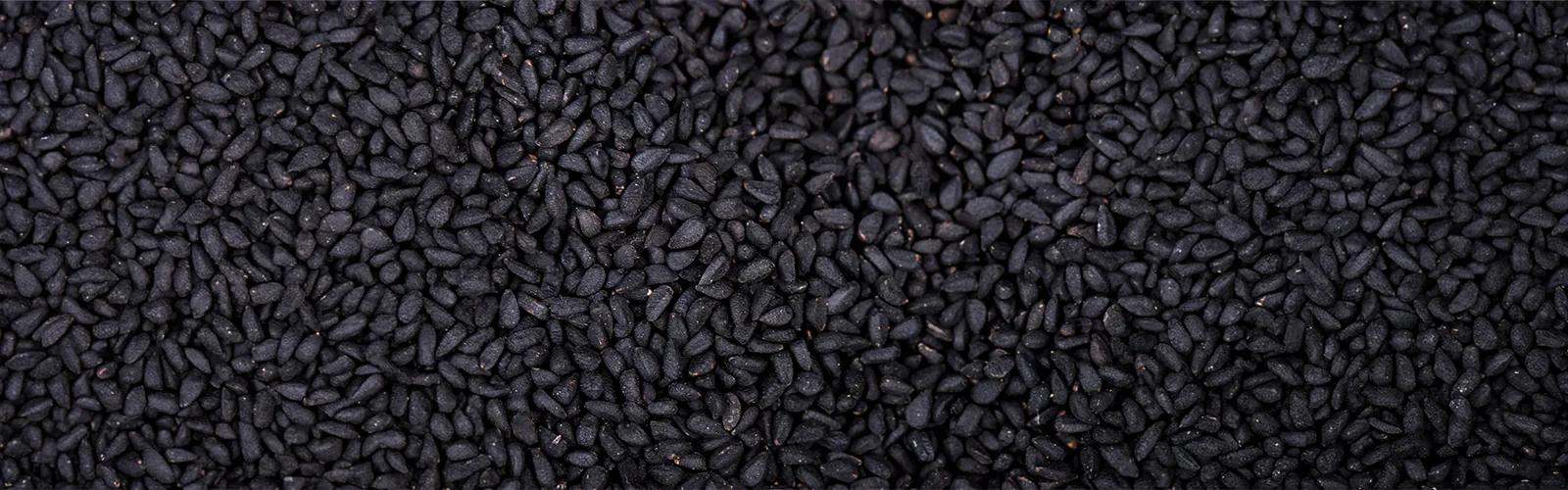
Black seed, a versatile food, can be consumed in different ways.
Whole Black Seeds
Whole black seeds are used very frequently in kitchens. They can be sprinkled over or mixed into dough for baked goods such as bread, rolls, borek, and simit, and can also be added to cheese and pickles to enhance flavor. Whole black seeds can also be ground or crushed and consumed mixed with yogurt, salads, or honey.
Ground Black Seed
Ground black seed is the milled form of the seeds. The ground form of the plant can easily be mixed into soups, dishes, or salad dressings like a spice. As stated in some sources, it can also be brewed and consumed as a tea by adding a small amount of ground black seed to boiling water.
Black Seed Oil
This oil, obtained by cold-pressing black seed seeds, presents the effective components of black seed—especially thymoquinone—in their most concentrated form. Various sources state that one teaspoon of food-grade black seed oil can be consumed daily. In addition, black seed oil can also be used in massage applications.
Eti Products with Black Seed
Eti offers consumers options with its range of delicious black seed products, both for snack and between-meal times as well as for gluten-free diets.
- Eti Burçak Black Seed Salted Biscuit: Eti Burçak Black Seed Salted Biscuit is one of the most delicious alternatives for tea time and the need for a savory snack, with its whole wheat composition and intense black seed aroma.
- Eti Form Mahlep, Chia, and Black Seed Bran Biscuit: Eti Form Mahlep, Chia, and Black Seed Bran Biscuit offers a rich flavor and satiety accompanied by mahlep and chia seeds for those who are mindful of their figure, thanks to its bran-rich and fibrous content.
- Eti Form Black Seed Bran Salted Biscuit: Eti Form Black Seed Bran Salted Biscuit provides long-lasting satiety with its high fiber content while adding a tasty savory treat to nutrition plans with black seed's distinctive flavor.
- Eti Pronot Gluten-Free Mahlep, Black Seed, and Sesame Cookie: Eti Pronot Gluten-Free Mahlep, Black Seed, and Sesame Cookie is a special alternative that safely offers both the flavor of mahlep and black seed, as well as the pleasure of a cookie, for consumers with gluten sensitivity or those following a gluten-free diet.
Combine the ancient flavor and effects of black seed with Eti's innovative taste! To meet your balanced snacking needs and experience the unique aroma of black seed intensely, discover Eti's black seed product range without delay!
*The information provided in this article is for informational purposes only. It does not constitute medical advice, treatment recommendations, or warnings. Prior to consuming black seed and its derivatives, or before making changes to your diet, you must consult a physician or relevant specialist regarding the suitability of such changes for your health status, including matters such as allergies, chronic conditions, pregnancy, or regular medication use.
Sources:
- “Nigella sativa L. (Black Cumin): A Promising Natural Remedy for Wide Range of Illnesses”, National Center for Biotechnology Information (NCBI), 2019. (online)
- “9 Impressive Health Benefits of Kalonji (Nigella Seeds)”, Healthline (Medically Reviewed), 2019. (online)
- “Thymoquinone: an active principle of Nigella sativa and its potent therapeutic applications”, National Center for Biotechnology Information (NCBI), 2021. (online)
- “Effect of Nigella sativa on blood glucose in patients with type 2 diabetes mellitus”, National Center for Biotechnology Information (NCBI), 2017. (online)