What Is Chocolate? Its History, Effects, and Eti Chocolate Products
Discover the history, varieties, and benefits of chocolate. Try sweet ideas you can prepare with Eti's chocolate products.
07/10/2025
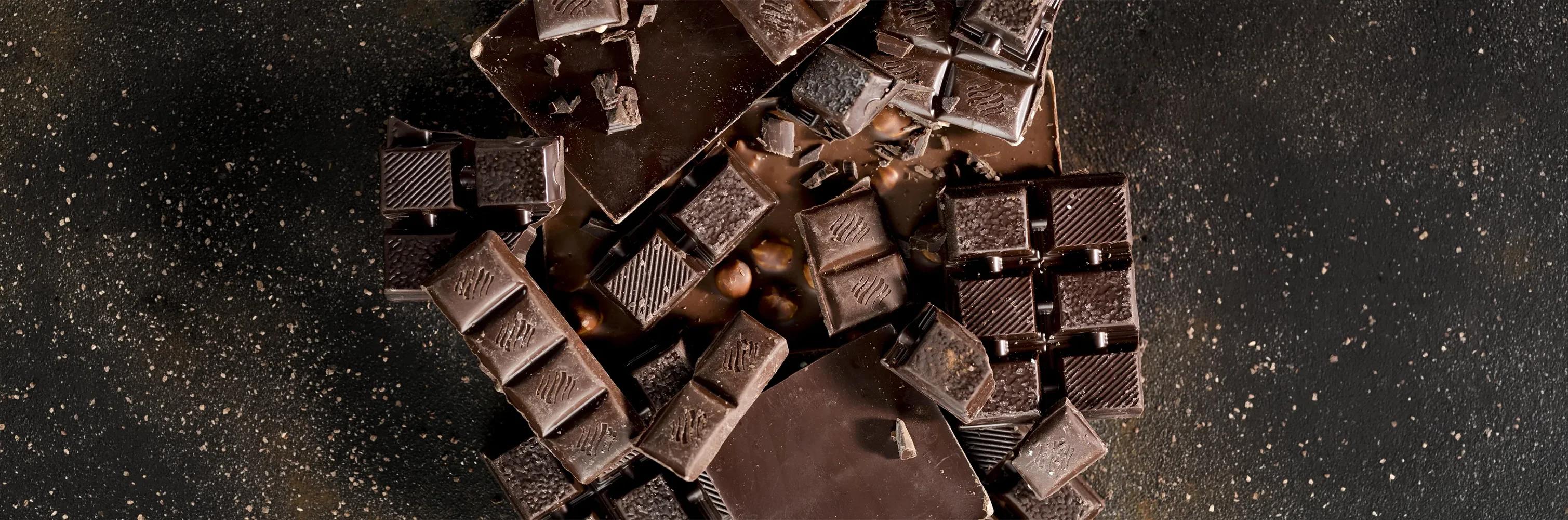
A miracle that can change your mood with a single bite and bring a smile to your face with its rich flavor: Chocolate. Born from the cacao that the ancient Maya civilization called the “Food of the Gods,” chocolate is today the world's most beloved and widely consumed sweet. So, what exactly is this indispensable flavor? Where does its historical journey begin? Let's now explore together the rich world of Eti's chocolate, which appeals to every palate!
Editor's Note: This content is intended solely for general informational and recipe purposes; it does not constitute any nutritional advice or health recommendation. Consumption needs may vary from person to person. Each individual's health status and needs may differ; if you have a specific condition, it is recommended that you consult a specialist.
What Is Chocolate?

Chocolate is essentially a product obtained by mixing and processing cocoa mass — derived from roasted and ground cocoa beans — with additional components such as cocoa butter, sugar, and milk powder in varying proportions. The naturally bitter and intense flavor of cocoa is balanced with sugar and other ingredients to achieve that silky, sweet consistency.
The most important factor determining the flavor and texture of chocolate is the proportion of cocoa mass and cocoa butter it contains. The cocoa mass gives the chocolate its depth of flavor and its color. Cocoa butter, on the other hand, provides that famous, smooth, melt-in-your-mouth texture. In other words, chocolate is not merely a sweet — it is a perfect combination of flavor components brought together with centuries of craftsmanship.
The History of Chocolate
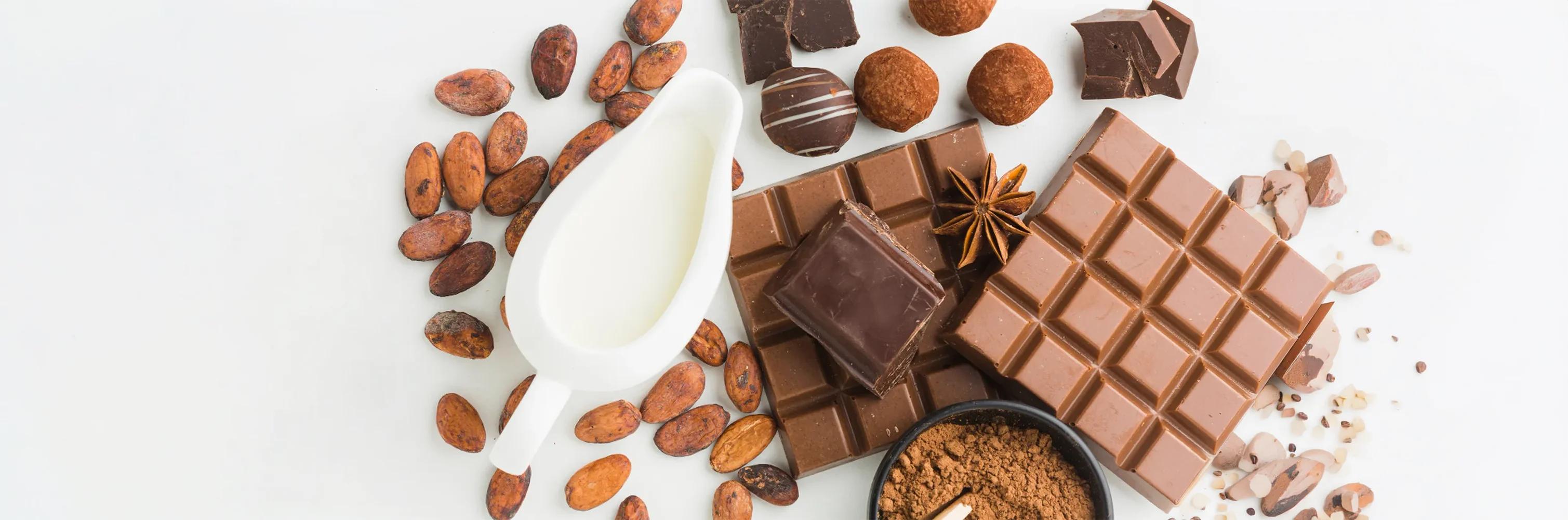
The history of chocolate also tells the story of a cultural heritage. The journey of this flavor begins with the Maya and Aztec civilizations that lived in present-day Mexico and Central America.
Cocoa beans were so valuable to these civilizations that they were even used as currency. They would prepare a bitter, frothy beverage from cocoa beans, often enriched with spices. With the arrival of European explorers in the region in the 16th century, cocoa was transported to Europe via Spain. In Europe, sweeteners such as sugar and honey were added to reduce the bitterness, and it became a drink of the nobility. With the Industrial Revolution in the 19th century, the production of modern chocolate molds and bars began. Since then, chocolate has become a source of pleasure synonymous with luxury and happiness, spreading across the entire world.
Types of Chocolate
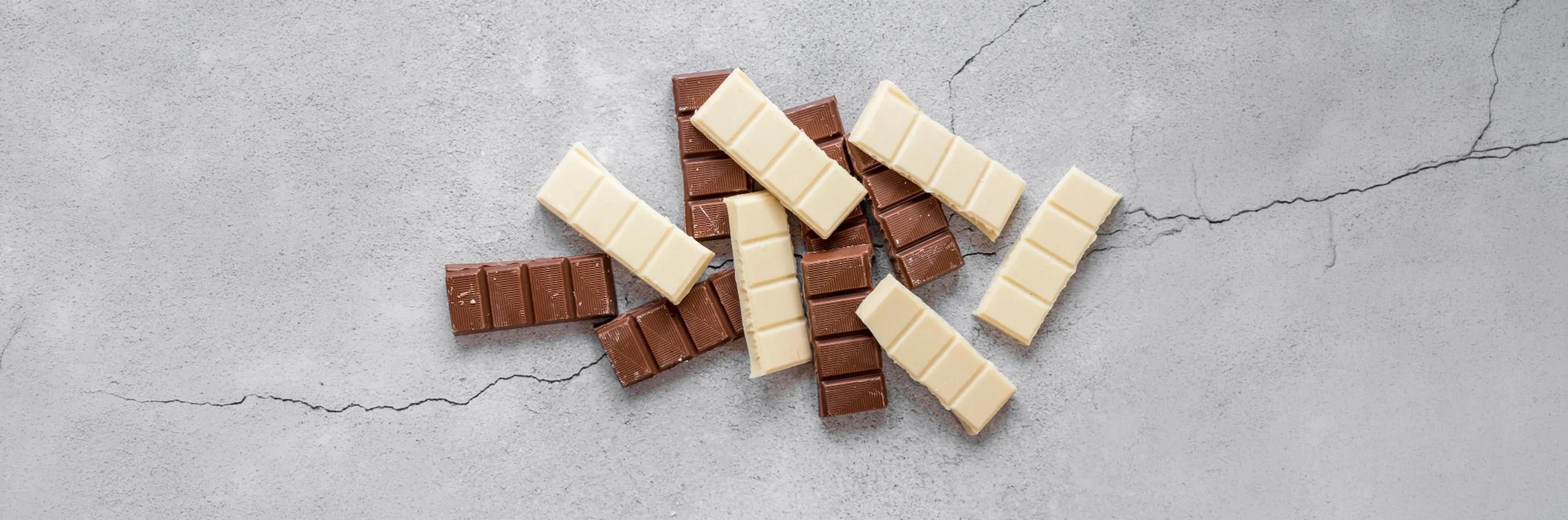
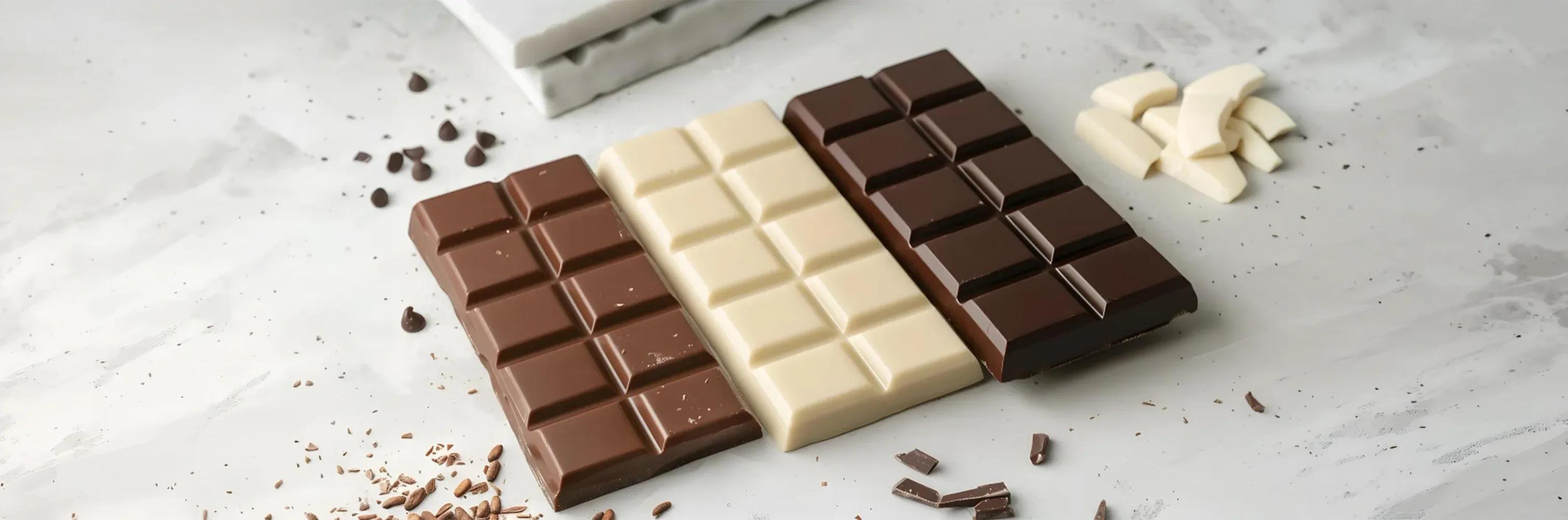
Chocolate varies depending on the differences in its components such as cocoa mass, sugar, and milk content. Each variety has its own distinctive flavor and texture.
Dark Chocolate
Dark chocolate is the variety with the highest proportion of cocoa mass. It generally contains 50 percent or more cocoa. Its sugar content is considerably lower compared to other chocolates, and for this reason it delivers an intense, deep, and slightly bitter taste. Thanks to its high cocoa content, it allows greater access to the natural antioxidants of cocoa. Dark chocolate is generally the favorite of those who seek a true cocoa flavor and enjoy a bold taste.
Milk Chocolate
Milk chocolate, the most widely consumed variety worldwide, consists of a mixture of cocoa mass, sugar, and a high proportion of milk powder. The addition of milk makes the taste of chocolate softer, creamier, and sweeter. Its cocoa content generally ranging between 25 and 45 percent is lower, offering a milder flavor. Thanks to its smooth texture and easy consumption, milk chocolate is especially the first choice of children and those with a sweet tooth.
White Chocolate
White chocolate is actually not technically considered a full chocolate, because it contains no cocoa mass. White chocolate consists of cocoa butter, sugar, milk powder, and flavorings such as vanilla. While cocoa butter gives it that creamy and rich structure, the absence of cocoa mass results in its white color and the lack of that distinctive cocoa bitterness. With its dominant sweetness and creamy texture, white chocolate becomes an indispensable component of dessert and cake recipes.
What Are the Effects of Chocolate?
- Chocolate, especially in its dark form with high cocoa content, is not just delicious. As expressed in various sources, it also brings with it certain effects.
- Cocoa naturally contains high amounts of polyphenols and flavonoids. These compounds are known as powerful antioxidants that combat free radicals in the body. Experts note that these antioxidants found in dark chocolate may help support overall cellular health.
- Furthermore, as expressed in some sources, chocolate constitutes a natural source of magnesium.
Eti’s Chocolate Products and Dessert Suggestions
Eti combines every variety and flavor of chocolate with unique products that will add joy to every moment. Eti's chocolate-coated biscuits, intense cocoa cakes, and exquisite chocolate bar series offer a treat suited to every palate.
Dessert Suggestion: Quick Chocolate Mosaic Cake
Combine Eti's classic PetiBör biscuits with a mixture of melted Eti milk chocolate, a little milk, and melted butter. Roll the mixture on parchment paper and refrigerate to set. This practical mosaic cake combines Eti's chocolate and biscuit flavors to give you a nostalgic dessert experience.
Dessert Suggestion: Cocoa Lava Cake
Choose cocoa cakes such as Eti Browni Intense or Browni Gold. Break the cake into small pieces and place them in a bowl. Add a scoop of ice cream or warm chocolate sauce on top. This gives you an instant and practical hot-cold dessert experience.
Satisfy your sweet cravings deliciously with Eti's rich chocolate options and add happiness to your day! ❤️
*The information provided in this article is for informational purposes only. It does not constitute medical advice, treatment recommendations, or warnings. Prior to consuming chocolate and cocoa-based products or making changes to your diet, please consult a physician or relevant specialist regarding their suitability for your blood sugar balance (diabetes), caffeine sensitivity, allergies, or other specific health conditions. The effects of chocolate on mood do not substitute for professional psychological or medical treatment.
Sources:
- “Chocolate | Food, History, & Types”, Encyclopedia Britannica, 2024. (online)
- “A Brief History of Chocolate”, Smithsonian Magazine, 2008. (online)
- “Dark Chocolate”, Harvard T.H. Chan School of Public Health, 2023. (online)
- “The effects of chocolate on cognitive function and mood”, National Center for Biotechnology Information (NCBI), 2013. (online)
- “Health Benefits of Dark Chocolate”, WebMD (Medically Reviewed), 2022. (online)