What Is Cocoa? Its Effects and Its Place in Eti Products
Known for its bitter and aromatic taste, cocoa stands out not only for its flavor but also for the effects it offers. Rich in antioxidants, this seed offers an enjoyable consumption experience with its body-supporting properties.
07/10/2025
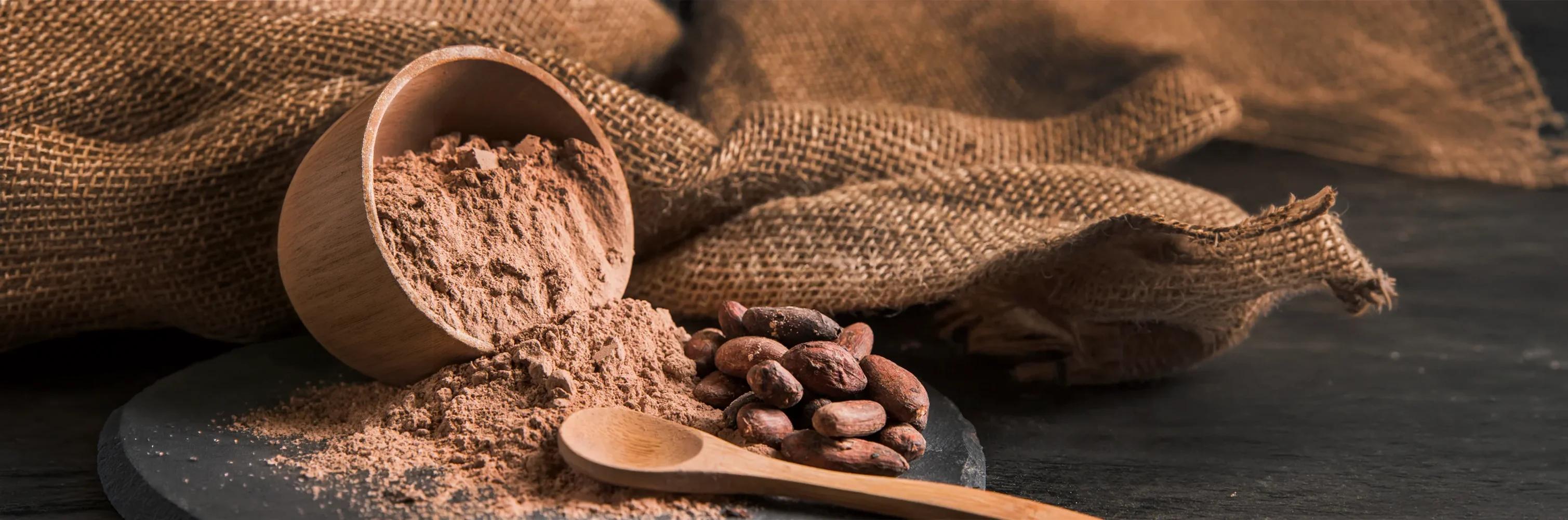
An intense, deep, and irresistible flavor… The magical taste that comes to mind first when you think of sweets, the one that lifts your energy and brings happiness: Cocoa! One of the oldest and most prized foods in history, cocoa is not only the primary ingredient of delicious chocolates. This natural food also attracts attention for its rich antioxidant content. So, what exactly are the effects of cocoa? Let's now set out together to discover the wonderful world behind Eti's cocoa products!
Editor's Note: This content is intended solely for general informational and recipe purposes; it does not constitute any nutritional advice or health recommendation. Consumption needs may vary from person to person. Each individual's health status and needs may differ; if you have a specific condition, it is recommended that you consult a specialist.
What Is Cocoa?
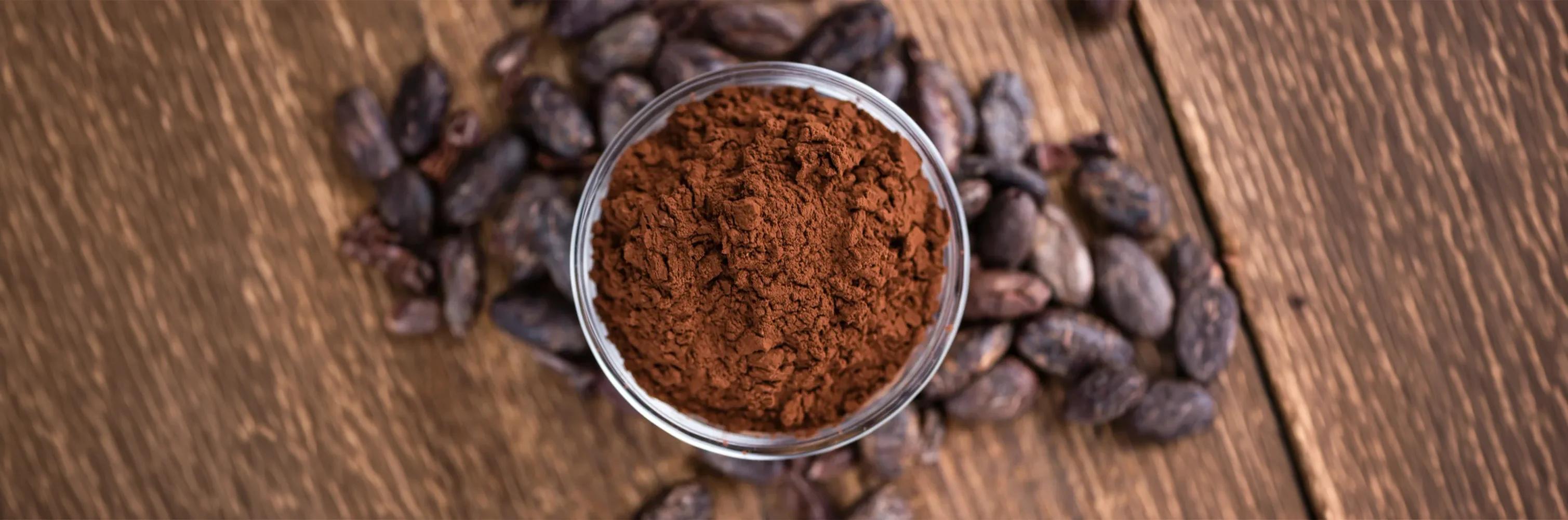
Cocoa is a natural raw material obtained from the seeds of the Theobroma cacao tree. These seeds are transformed into cocoa through stages of fermentation, drying, roasting, and grinding. Known for its intense aroma and characteristic, slightly bitter taste, cocoa is both the primary component of chocolate production and a frequently used ingredient in a variety of dessert and beverage recipes. It also draws attention for its antioxidant properties, thanks to the flavonoids it contains.
The fruit of the cacao tree takes the form of a large, oval pod. Inside this pod, cocoa beans are obtained after fermentation and drying processes. Unprocessed, pure cocoa beans contain high amounts of polyphenols (natural antioxidants). By grinding and pressing these beans, various products such as cocoa powder and cocoa butter are also obtained. In other words, cocoa is not only delicious but also a powerful natural source packed with complex nutrients.
How Did Cocoa Come About?
The origins of cocoa trace back to the tropical regions of Central and South America, particularly the Amazon and Orinoco basins. Discovered approximately 3,000 years ago by the Olmecs, cocoa later came to hold an important place in the culture of the Maya and Aztec civilizations.
In those times, cocoa beans were used as currency, and its beverage was regarded as a sacred mixture offered to the gods. Europe's introduction to cocoa took place in the 16th century with the seeds brought back from the Americas by Spanish explorers. Over time, as cocoa combined with sugar and milk, it formed the foundation of the chocolate we know today.
How Is Cocoa Consumed?
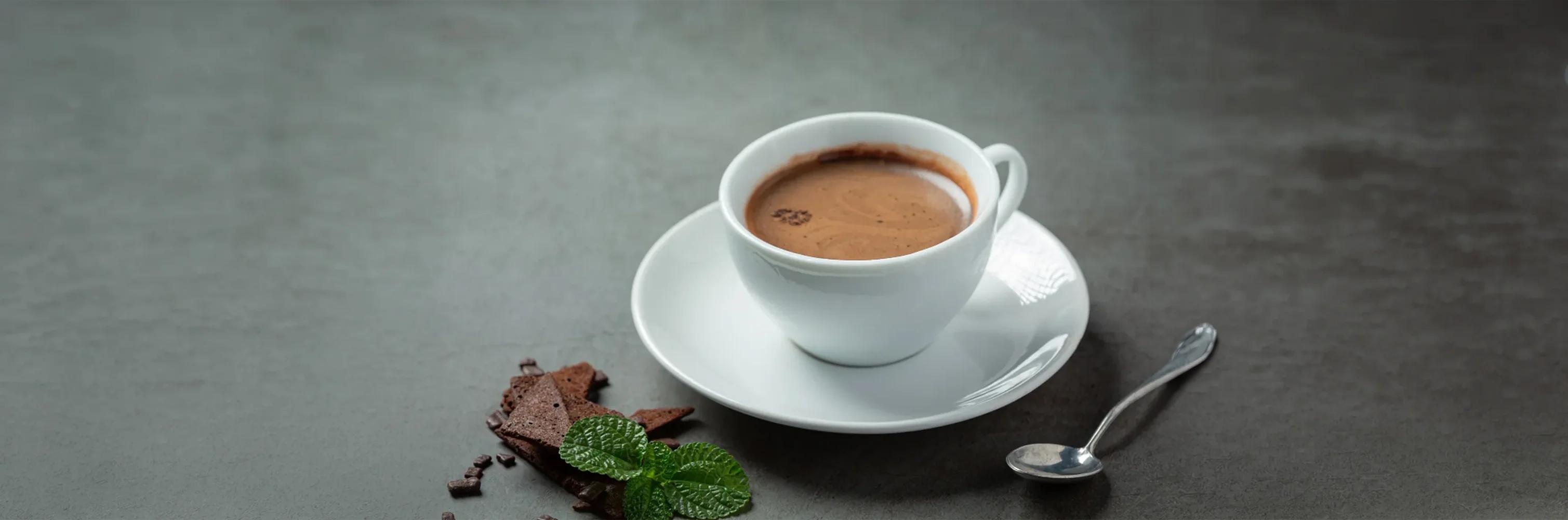
- Cocoa can be consumed in many ways, both in its raw form and in processed forms. In its most common use, cocoa is used to add an intense aroma and color to cakes, cookies, hot beverages, and dessert recipes. Cocoa mass and cocoa butter are also key components in the production of dark chocolate.
- Adding a small amount of cocoa to yogurt, muesli, or oatmeal mixes at breakfast offers a natural flavor alternative. Cocoa can also be consumed as a drink by mixing it with hot milk.
- However, it is important to keep the amount of cocoa balanced. This is because cocoa, due to its intense flavor, creates a powerful taste effect even in small quantities.
Can Cocoa Be Consumed on a Diet?
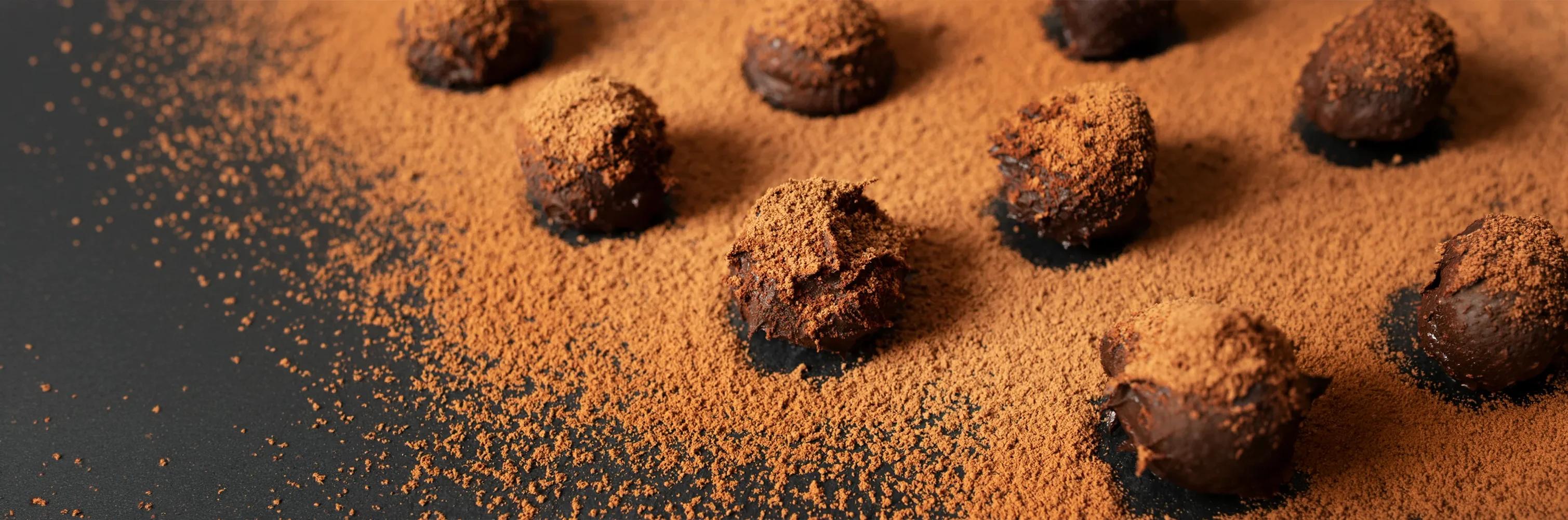
Thanks to its antioxidants and low sugar content, cocoa may also offer an ideal option for those on a diet. What matters is the choice of portion and form.
Pure cocoa powder or dark chocolates with a high cocoa content — at least 70 percent or above — may help ideally satisfy the need for sweets in a diet.
Experts note that a small square of dark chocolate or a teaspoon of pure cocoa can be a delightful and guilt-free treat.
The Differences Between Cocoa and Chocolate

Although cocoa and chocolate are frequently used interchangeably, there is a clear difference between them.
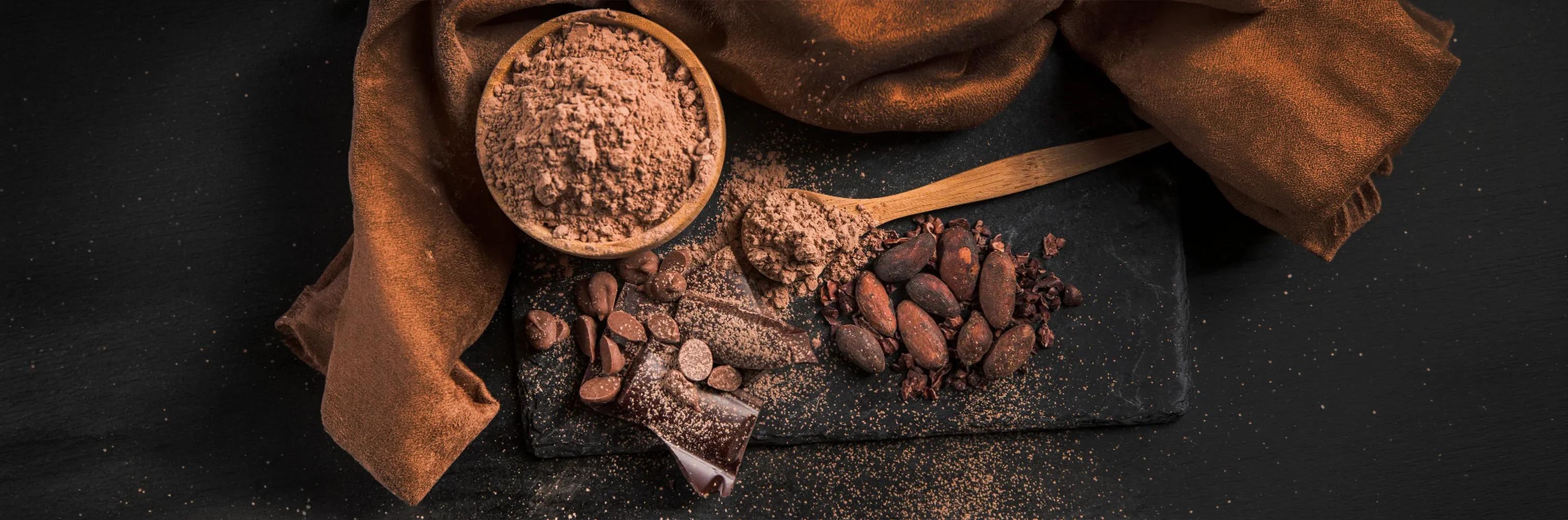
- Cocoa is the raw material of chocolate. It refers to the powder or mass obtained from unprocessed, ground beans. Pure cocoa powder is quite bitter and intense.
- Chocolate, on the other hand, refers to the final product resulting from the mixing and processing of cocoa mass and cocoa butter — obtained from cocoa beans — with additional components such as sugar, milk powder, and sometimes vanilla.
In other words, every chocolate contains cocoa, but not every cocoa product (such as pure cocoa powder) is chocolate yet. The higher the cocoa content in a product, the closer its composition is to pure cocoa, and the lower its sugar content.
Quick and Delicious Recipes with Eti’s Cocoa Products
Eti combines the intense flavor of cocoa with practical products you can reach for at any moment. Eti's range of cocoa biscuits, cakes, and chocolates can serve as both a quick energy source and an enjoyable break-time alternative.
Cocoa shake
Place milk, half a banana, a generous spoonful of Eti Form Cocoa Biscuit, and a little pure cocoa powder into a blender. Blend everything until smooth. This shake may help meet both protein and complex carbohydrate needs after a workout or as a between-meal snack.
Cocoa tiramisu
Spread coffee-soaked Eti Burçak Cocoa Biscuit crumbs in a bowl. Add a cream mixture prepared with labneh, a little sugar, and vanilla on top. Dust pure cocoa powder over the top and refrigerate. The Eti biscuit adds a wonderful texture to the tiramisu.
Cocoa yogurt treat
Break Eti Browni Intense or your favorite Eti cocoa biscuit into small pieces over plain yogurt. This practical recipe can create a quick and delicious sweet treat by combining the simplicity of yogurt with the intense flavor of cocoa.
Discover Eti's cocoa products and bring flavor and energy to every moment of your day!
*The information provided in this article is for informational purposes only. It does not constitute medical advice, treatment recommendations, or warnings. Prior to consuming cocoa and cocoa-based products or making changes to your diet, please consult a physician or relevant specialist regarding a history of kidney stones, caffeine/theobromine sensitivity, migraine triggers, or other specific health conditions. The mood-supporting effects of cocoa do not replace clinical treatment.
Sources:
- “Cacao | Description, Cultivation, & Uses”, Encyclopedia Britannica, 2024. (online)
- “Cocoa and Chocolate in Human Health and Disease”, National Center for Biotechnology Information (NCBI), 2011. (online)
- “Chocolate: A History”, World History Encyclopedia, 2021. (online)
- “Health Benefits of Cocoa Powder”, Healthline (Medically Reviewed), 2023. (online)
- “What Is Cocoa Powder? (Dutch Process vs. Natural)”, The Spruce Eats, 2023. (online)