What Is Gluten? Its Characteristics, Effects, and Its Place in Eti Products
Have you ever wondered what gives baked goods their unique consistency and elastic texture? Keep reading to discover the nature of gluten, its effects on the body, and its place in Eti products!
14/10/2025
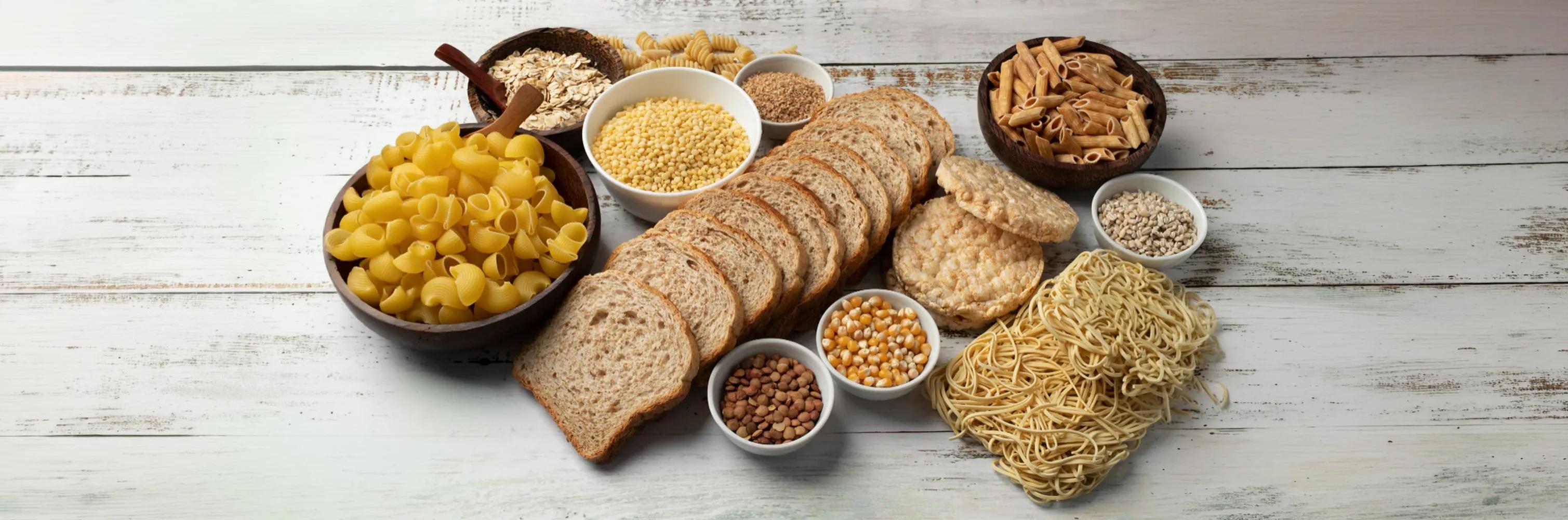
You have been hearing the term "gluten-free" a great deal in recent years, haven't you? This term may be popping up on supermarket shelves, on social media, and even in advice from doctors and dietitians. So, what exactly is gluten — the topic everyone is talking about — and why do some people choose to avoid it? Let's now discover together what gluten is, known as the binding agent of wheat and other grains, its effects on our body, and the delicious solutions Eti offers for this dietary approach.
Editor's Note: This content is intended solely for general informational and recipe purposes; it does not constitute any nutritional advice or health recommendation. Consumption needs may vary from person to person. Each individual's health status and needs may differ; if you have a specific condition, it is recommended that you consult a specialist.
What Is Gluten?
Gluten is a family of proteins naturally found in the seeds of grains such as wheat, barley, and rye. Located in the endosperm of the grain, these proteins come into play especially when flour is mixed with water. Gluten is the key factor responsible for creating that famous elastic, sticky structure — the one that causes dough to rise and gives bread its flexible and chewy texture.
You can think of gluten as something like the "skeleton" of dough. It traps air bubbles inside the dough and helps the bread hold its shape as it puffs up during baking. In other words, it is truly the architect behind many delicious results in the kitchen. Its name comes from the Latin word "gluten," meaning "glue," which perfectly reflects this sticky, binding quality.
In Which Food Is Gluten Found?
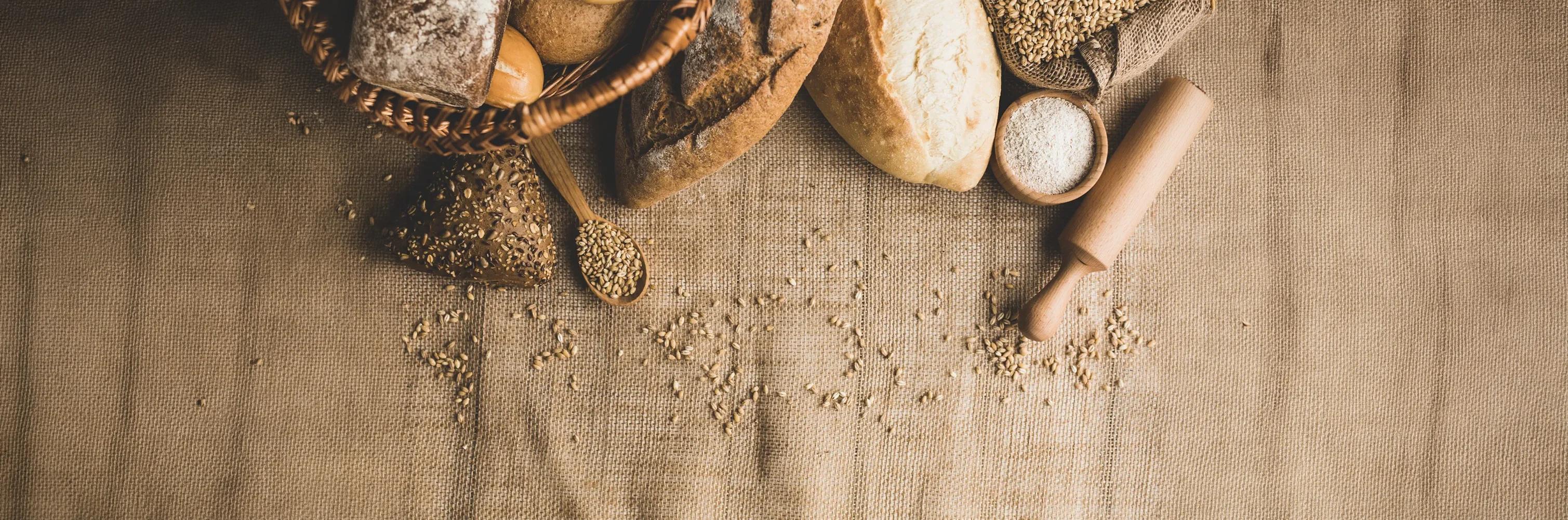
Gluten is heavily concentrated in three main grains: wheat, barley, and rye. This means that all traditional baked goods made with wheat flour — such as bread, pasta, simit, and poğaça — naturally contain gluten. But it doesn't stop there. In fact, the most intriguing aspect of gluten is that it shows up in a wide variety of products made from grains or containing grain-based ingredients.
For example, gluten can be found in certain breakfast cereals, sauces, ready-made soups, soy-sauce-based foods, and even processed meat products. It is sometimes used in the coatings of medications and vitamins as well. For this reason, those following a gluten-free diet need to read the labels of all products they purchase with great care.
The Effect of Gluten on the Digestive System

For most people, gluten passes through the digestive system without any problem. The body breaks down gluten and absorbs the amino acids it contains. However, for some individuals with sensitivity, the situation works somewhat differently.
The effects of gluten on the digestive system present a spectrum that varies from person to person. In the simplest terms, the immune system of a person with sensitivity begins to perceive gluten as a harmful substance and react to it. This reaction can cause inflammation in the small intestine. Over time, this inflammation begins to damage the surface of the small intestine responsible for nutrient absorption — the villi. As a result of this damage, the absorption not only of gluten-related nutrients but of all nutrients becomes difficult. It manifests with symptoms such as abdominal pain, bloating, diarrhea, or constipation. In other words, when gluten cannot be properly digested, the body begins to struggle with absorbing even its most basic nutrients.
Why Is Gluten-Free Eating Preferred?
Herkes glutene aynı tepkiyi vermiyor. Glutensiz beslenme tercihi genellikle uzman önerisiyle ve sağlık gerekliliğinden kaynaklanıyor. Aşağıdaki üç temel durum insanları glutensiz bir diyete yönlendiriyor:
Gluten Sensitivity
This category covers individuals who, despite not having celiac disease, experience symptoms such as digestive problems, fatigue, and headaches after consuming gluten-containing foods. Medical tests show no celiac disease or wheat allergy, yet the person's symptoms significantly improve when gluten is eliminated. This condition is known as "Non-Celiac Gluten Sensitivity." The body struggles to digest gluten but does not cause permanent damage to the intestines. In this case, the individual may follow a gluten-free diet with expert approval.
Gluten Allergy
This condition, as its name suggests, refers to a food allergy. A short time after consuming gluten, the body produces an allergic reaction. Typical allergy symptoms are observed in this case: reactions such as hives, itching, shortness of breath, or even more serious anaphylaxis may occur. In this situation, the immune system's IgE antibodies are the ones triggering the reaction. This condition is generally referred to as a wheat allergy — meaning it is not solely the gluten protein that triggers the reaction.
Celiac Disease
Celiac disease is known as an autoimmune condition. This means the body's immune system perceives gluten as an enemy and launches an attack against it. As a result of this attack, the inner surface of the small intestine — specifically the structures responsible for nutrient absorption called villi — suffers permanent damage. This damage can cause the body to fail to absorb vitamins and minerals adequately, leading to serious long-term health problems. The treatment for celiac disease is a lifelong, 100-percent gluten-free diet.
Naturally Gluten-Free Grains and Products
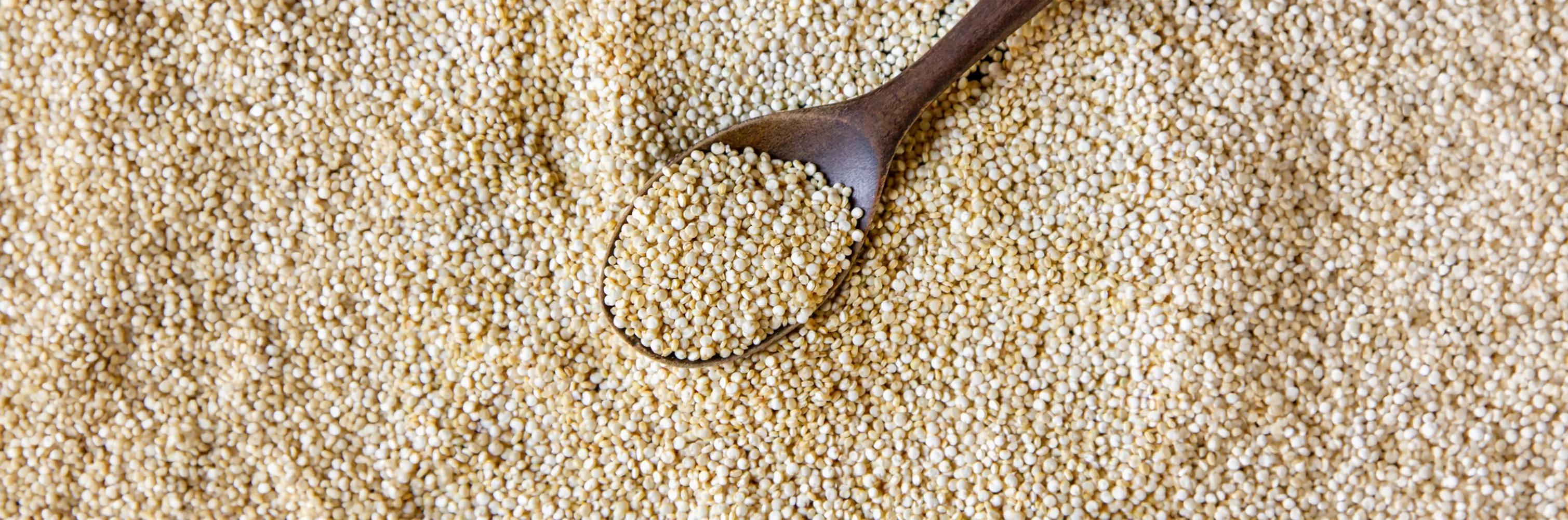
Many naturally gluten-free grains and foods are widely used in kitchens. For example, grains and starches such as rice, corn, quinoa, buckwheat, millet, amaranth, and teff can be consumed. Legumes such as beans and lentils, as well as potatoes, fruits, vegetables, meat, fish, and eggs are also naturally gluten-free. In other words, gluten-free dietary options are far more varied and rich than you might expect.
Gluten-Free Eti Products
Eti does not forget consumers who need to follow a gluten-free diet due to gluten sensitivity or celiac disease. It offers the special Eti Pronot product series, produced with reliable ingredients without compromising on taste.
Eti Pronot products are produced in dedicated gluten-free facilities, eliminating the risk of cross-contamination, and in this way they joyfully meet the daily snacking needs of those following a gluten-free diet.
- Eti Pronot Glutensiz Mahlepli, Çörekotlu ve Susamlı Kurabiye: An indispensable companion to tea time, offering the traditional flavor of mahleb, black seed, and sesame in a safe and reliable way.
- Eti Pronot Glutensiz Kakaolu ve Fındıklı Kurabiye: Creates a wonderful option for those looking for delicious, sweet indulgences, where rich cocoa meets hazelnut.
- Eti Pronot Glutensiz Sade Bisküvi: Takes its place on the shelves as a versatile, everyday snack that can be enjoyed on its own, with cheese, or in a variety of recipes.
- Eti Pronot Glutensiz Çubuk Kraker: Offers a standout alternative that satisfies the craving for a savory snack with its crunchiness and flavor.
Gluten-free eating is not a restriction — it is a journey of discovering new flavors. Explore Eti's gluten-free world, which offers safer and more delicious options for you, right now!
*The information provided in this article is for informational purposes only. It does not constitute medical advice, treatment recommendations, or warnings. Prior to consuming gluten-containing foods or transitioning to a gluten-free diet, please consult a physician or relevant specialist for the diagnosis and monitoring of medical conditions such as celiac disease, gluten sensitivity, or wheat allergy. Gluten-free dietary programs are a personalized medical requirement and should be carried out under professional supervision.
Sources: