What Is Mahleb? Its Aroma, Effects, and Its Use in Eti Products
That familiar scent drifting from the windows of pastry shops can instantly transport you back to the kitchen memories of your childhood. The source of this magical aroma is a tiny seed: mahleb! In this article, you can discover in detail the mahleb that brings memories and flavor together, and its use in Eti products.
14/10/2025

Did you know that the secret of that familiar, inviting scent you breathe in as you walk past a pastry shop is hidden in a tiny seed? Mahleb, which gives traditional baked goods their unique character and serves as the secret hero of both sweet and savory recipes, is actually a highly prized spice that has been used in our kitchens for generations. So, what exactly lies behind this magical aroma? In this article, we lift the veil on the mysterious world of mahleb together, discovering its effects, uses, and Eti's mahleb products!
Editor's Note: This content is intended solely for general informational and recipe purposes; it does not constitute any nutritional advice or health recommendation. Consumption needs may vary from person to person. Each individual's health status and needs may differ; if you have a specific condition, it is recommended that you consult a specialist.
What Is Mahleb?
Mahleb consists of the pits of the fruit of a tree belonging to the Rosaceae (rose) family. In other words, it is actually considered a wild relative of cherry and sour cherry. The pits of the ripened fruits of this tree are dried and ground to create the famous mahleb spice. These tiny seeds have a unique, sweet, and mildly tart aroma that hovers somewhere between bitter almond and cherry.
Where Does Mahleb Grow?
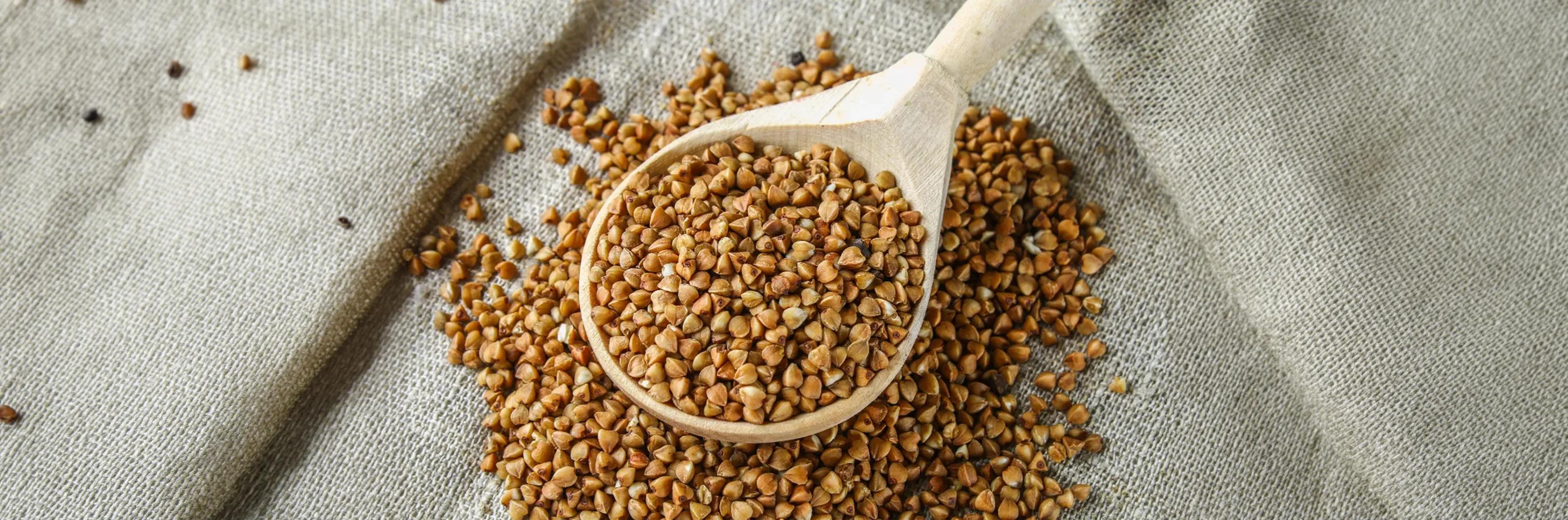
The mahleb tree, with origins in Southern Europe and Western Asia, particularly favors the climate of the Mediterranean and Middle Eastern geographies. This resilient plant, which can grow wild on rocky and arid slopes, is cultivated most commonly in Turkish cities such as Tokat, Amasya, Çorum, Mardin, and Van. Mahleb, which thrives in plenty of sunshine and well-drained soils, has been growing both wild and under cultivation in these lands for hundreds of years.
Where and How Is Mahleb Used?
Mahleb is known as an essential ingredient in traditional recipes such as Easter bread, kandil simidi (sesame ring bread), and poğaça (savory pastry). When used in powdered form, it distributes homogeneously throughout the dough, carrying its aroma into every bite. However, the use of mahleb is not limited to this. The special touch it adds to savory cookies, breads, and crackers instantly elevates these recipes. In some regions, it is even added to rice dishes, milk-based desserts, and drinks such as dried fruit compote for different flavor experiments. In other words, this versatile spice offers a wonderful opportunity to let creativity speak in the kitchen.
What Are the Effects of Mahleb?
Mahleb, in addition to its enchanting aroma, is also traditionally associated with many effects. Various sources list the potential effects of mahleb as follows:
- Thanks to its components such as fatty acids and coumarin, it may help exhibit antioxidant properties.
- It may contribute to supporting the regulation of the digestive system and may help alleviate issues such as indigestion.
- It may contribute to enhancing the body's resistance and maintaining the normal functions of the immune system.
Different Recipes You Can Make with Mahleb

Making mahleb a part of your kitchen is very easy. If you want to step outside the classics and try new flavors, you can find mahleb-inspired recipes below.
Mahleb Bread and Pastry Recipes
A pinch of mahleb added to your standard bread recipe instantly adds an enchanting touch to the bread. Mahleb pairs wonderfully with butter-based or milk-based bread doughs in particular. You can surprise your guests by adding this spice to the dough when making poğaça or açma pastries, and make your teatimes more enjoyable by incorporating it into your homemade crackers.
Desserts and Beverages with Mahleb
The aroma of mahleb suits not only savory dishes but also sweet ones. It adds a different depth to traditional desserts such as rice pudding (sütlaç), milk pudding (muhallebi), or semolina halva in particular. You can even add warmth to winter evenings by adding a pinch of mahleb to hot drinks such as warm milk or salep.
Mahleb and Spice Blends
Mahleb creates wonderful flavor profiles when combined with other spices. For example, you can create your own unique cookie spice blend by mixing cinnamon, ginger, and a pinch of mahleb. It is also possible to capture the flavors characteristic of Middle Eastern cuisine by adding it to marinades prepared for chicken or lamb.
Discover the Flavor of Mahleb with Eti Products!
Eti brings the unique and traditional aroma of mahleb together with modern snacks, adding enjoyment to every moment of the day. Here are the Eti products featuring mahleb that you can try at snack or break time:
- Eti Form Mahlepli, Çiyalı ve Çörek Otlu Kepekli Bisküvi: This Eti biscuit combines mahleb, chia seeds, and black seed for those who want to watch their figure without compromising on flavor. With its wholegrain and fiber-rich structure, it offers an ideal alternative for between-meal snacking.
- Eti Pronot Glutensiz Mahlepli, Çörekotlu ve Susamlı Kurabiye: This cookie from the Eti Pronot series allows those with gluten sensitivity or those who prefer a gluten-free diet to safely enjoy the pleasure of cookies. You will love this special flavor that brings together the classic harmony of mahleb, black seed, and sesame.
Rediscover the familiar flavor and aroma of mahleb that has endured for centuries, with Eti's innovative touch! If you are watching your figure or following a gluten-free diet, choose right away from the Eti mahleb products suited to you and add joy to your day!
*The information provided in this article is for informational purposes only. It does not constitute medical advice, treatment recommendations, or warnings. Prior to consuming mahleb and mahleb-containing products or making changes to your diet, please consult a physician or relevant specialist regarding allergic reactions, pregnancy and breastfeeding periods, or any specific health conditions you may have.
Sources:
- “Prunus mahaleb L. (Mahaleb Cherry) | Plants of the World Online”, Royal Botanic Gardens, Kew, 2024. (online)
- “Chemical composition and biological activity of the seeds of Prunus mahaleb L.”, National Center for Biotechnology Information (NCBI), 2018. (online)
- “Mahaleb Cherry (Prunus mahaleb) as a Functional Food”, ScienceDirect (Elsevier), 2021. (online)