What Is Muesli? Its Content, Effects, and Its Place in Eti Products
Muesli, formed by combining grains, dried fruits, and nuts, is one of the most delicious ways to start the day in a balanced manner. A natural source of fiber, muesli appears in Eti's carefully crafted products in the form of an enjoyable snack.
07/10/2025

If you are looking for a quick and nutritious alternative for breakfasts, you should definitely get to know muesli. This mix actually represents a rich celebration of grains, dried fruits, and nuts. So, what exactly is the content of this popular mixture that originated in Switzerland? How can muesli support your nutrition? Let's now discover together the fine line between muesli and granola, and the world of Eti's muesli!
Editor's Note: This content is intended solely for general informational and recipe purposes; it does not constitute any nutritional advice or health recommendation. Consumption needs may vary from person to person. Each individual's health status and needs may differ; if you have a specific condition, it is recommended that you consult a specialist.
What Is Muesli?

Muesli is essentially a breakfast product consisting of a mixture of unprocessed or minimally processed grains (usually rolled oats), dried fruits, seeds, and nuts. It takes its name from the German word "Mües," meaning "mashed" or "small puree." This mixture is generally consumed without cooking, directly with cold milk, yogurt, or fruit juice.
What sets muesli apart is its reported high fiber content and rich nutritional profile. Oats and various grains, as sources of complex carbohydrates, may help maintain a feeling of fullness for longer, while dried fruits add a natural sweetness to the mix. Healthy fats, protein, and micronutrients help enrich the mixture further. In this regard, muesli can be an ideal choice for starting the day with energy.
How Did Muesli Come About?
The origins of muesli trace back to early 20th-century Switzerland, to the 1900s. During that era, the benefits of lightly cooked or raw foods were brought to the forefront, particularly for patients. Muesli was used to incorporate raw fruit, oatmeal, and nuts into the diets of patients.
Initially, this mixture was prepared somewhat differently from today — like a freshly made oat porridge with grated apple. Over time, however, this core idea evolved and commercially packaged dry muesli mixes spread across the entire world. In this way, muesli gradually became a practical breakfast classic.
How Is Muesli Consumed?

- The most common way to consume muesli is to mix it with cold milk or yogurt for an instant breakfast. Place the muesli in a bowl and add milk, almond milk, or kefir according to your preference. After waiting a few minutes, the dried fruits and oats soften slightly and the flavors blend together.
- Another popular method is to consume it in a way similar to "overnight oats." When you mix muesli with milk or yogurt the evening before and leave it in the refrigerator, the grains absorb all the liquid.
- This gives you a softer, creamier consistency with a deeper flavor by morning. You can also use muesli in your cookie, energy bar, or bread recipes.
Can Muesli Be Eaten on a Diet?
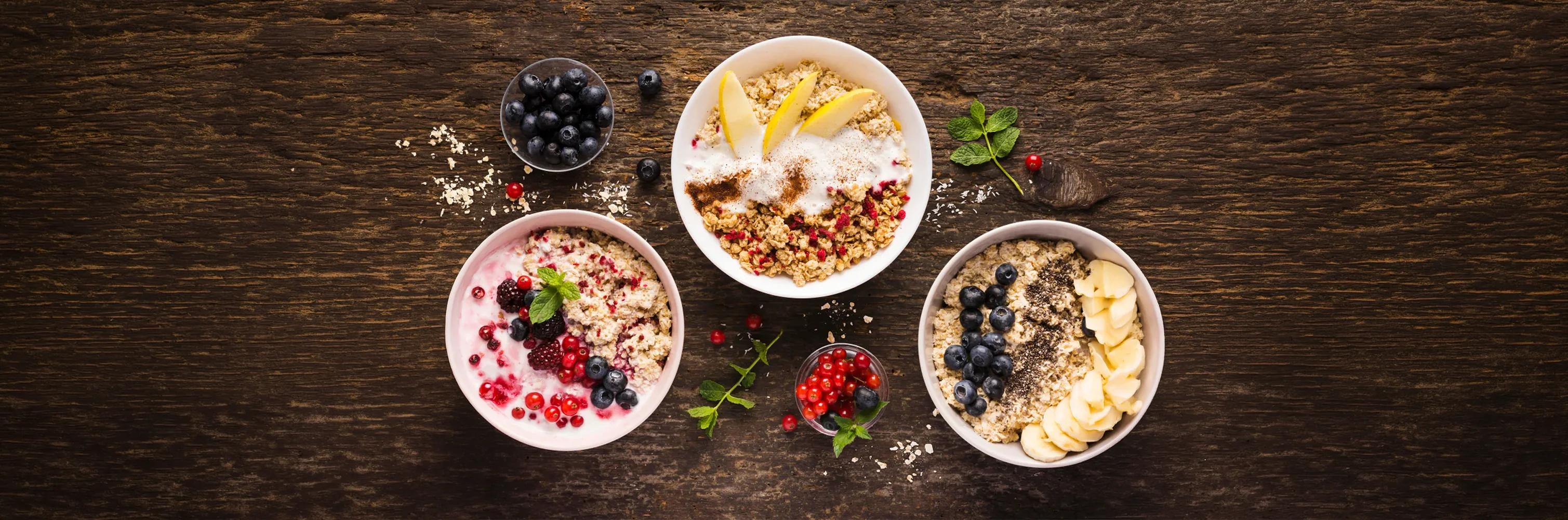
Muesli can be a suitable option for diet and weight management programs, as long as portion control is maintained.
Muesli may help provide a prolonged feeling of fullness. The complex carbohydrates and fiber in oats and whole grains may contribute to slowing the digestion process. This may in turn help prevent sudden hunger pangs.
The most important point to pay attention to when eating muesli on a diet is the amount of sugar you add. The natural sugar in dried fruits can provide sufficient sweetness, so it is recommended to avoid adding extra honey, molasses, or sugar. Experts note that it is possible to enjoy an ideal meal by keeping your portion small with plain milk or low-fat yogurt.
What Is the Difference Between Muesli and Granola?
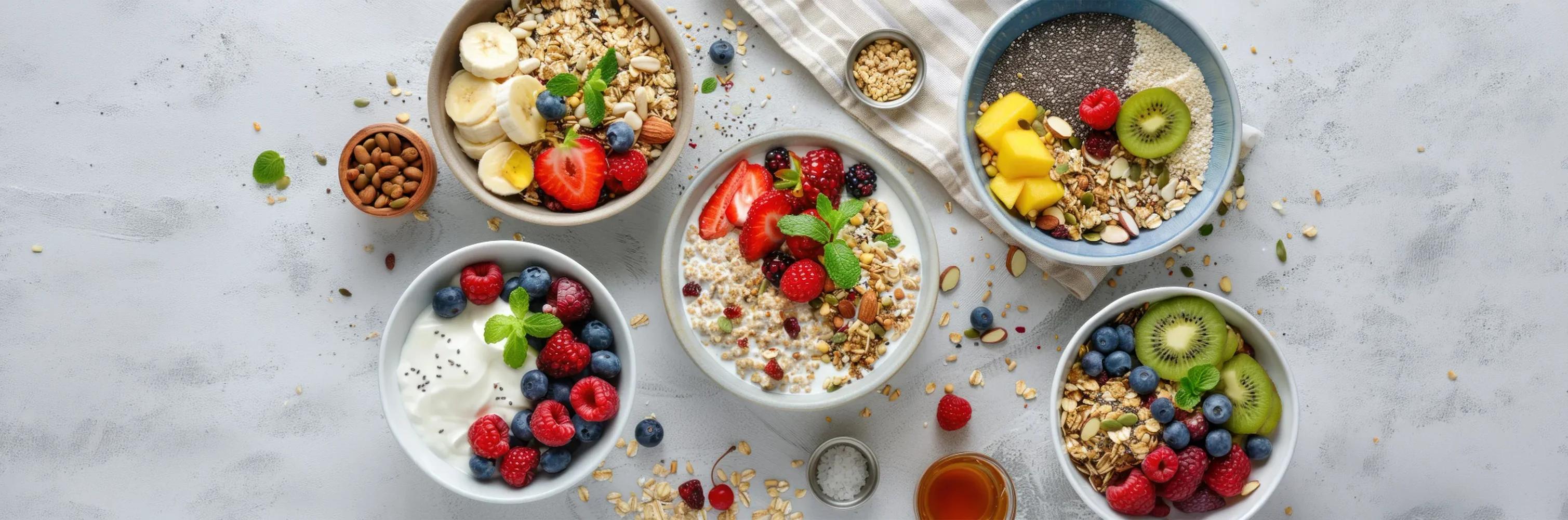
Although muesli and granola are two similar products that are often confused, there is an important difference between them.
- Muesli, as mentioned above, consists of oats and other components mixed together without being cooked or toasted. As reported in various sources, it generally contains less fat and sugar. This makes it a less processed and lower-calorie option compared to granola.
- Granola, on the other hand, is obtained by toasting oatmeal and other ingredients in the oven with the addition of a sweetener. This toasting process gives granola its famous crunchy, clustered texture.
- This delicious crunchiness means that granola generally contains more calories, fat, and sugar compared to muesli. In other words, granola can be an enjoyable snack, while muesli may be ideal for those looking for a plainer, fiber-focused breakfast option.
What Can You Make with Eti Muesli? Here Are Delicious Recipes!

Eti diversifies your nutrition by bringing muesli together with different flavors and practical forms. There are both practical and enjoyable recipes you can make with Eti Muesli products.
Quick Muesli Balls
Blend Eti Muesli in a blender. Add a little date paste or peanut butter and mix well. Shape the mixture into walnut-sized balls and refrigerate to set. These balls may help satisfy sweet cravings between meals.
Yogurt Parfait with Muesli
Place yogurt at the bottom of a clear glass, then add chopped fruit and a layer of Eti Muesli. By repeating these layers, you can prepare a visually appetizing presentation. This recipe can be especially helpful during the afternoon when your energy dips.
Crunchy Crumble Topping
Mix muesli with butter or coconut oil and a little cinnamon. Sprinkle it over your prepared apple or plum crumble. When this recipe is baked in the oven, it adds an incredible crunchiness to your fruit dessert.
Let your creativity shine with Eti's richly filled muesli options and turn your practical breakfast into a flavor celebration!
*The information provided in this article is for informational purposes only. It does not constitute medical advice, treatment recommendations, or warnings. Prior to consuming muesli and grain-based products or making changes to your diet, please consult a physician or relevant specialist regarding gluten sensitivity (celiac disease), nut/fruit allergies, diabetes, or digestive sensitivities (bloating, gas, etc.). Portion control should be adjusted according to your personal energy needs.
Sources: