What Is Rye? Its Effects, Uses, and Its Place in Eti Products
With its distinctive aroma and rich nutritional content, rye holds an important place in both traditional cuisine and modern dietary habits. This grain, which stands out with its fibrous structure and characteristic flavor, also brings together taste and balance in the products carefully crafted by Eti.
07/10/2025

When you think of grains, does only wheat come to mind? There is actually another hidden champion — a close relative of wheat that has been making a name for itself in recent years: Rye. Standing out with its robust fiber content and adding depth to cuisines with its distinctive, slightly tangy aroma, rye is also an indispensable part of wellness trends. So, what are the characteristics of this resilient grain? Scroll down to discover the history, effects, and Eti's rye-containing products!
Editor's Note: This content is intended solely for general informational and recipe purposes; it does not constitute any nutritional advice or health recommendation. Consumption needs may vary from person to person. Each individual's health status and needs may differ; if you have a specific condition, it is recommended that you consult a specialist.
What Is Rye?
Rye is an annual cereal plant belonging to the Poaceae (grass) family. Known for its resilience even in cold and harsh climatic conditions, this grain has been one of the staple food sources for centuries, particularly in the rugged landscapes of Northern Europe and Asia.
The grains of rye are longer, thinner, and darker in color compared to wheat. The most distinctive characteristic of this grain is its high fiber and relatively low gluten content. This fiber structure transforms it into a grain that rises slightly less during bread making, but produces a denser, moister loaf that keeps you fuller for longer.
Where Does Rye Come From?
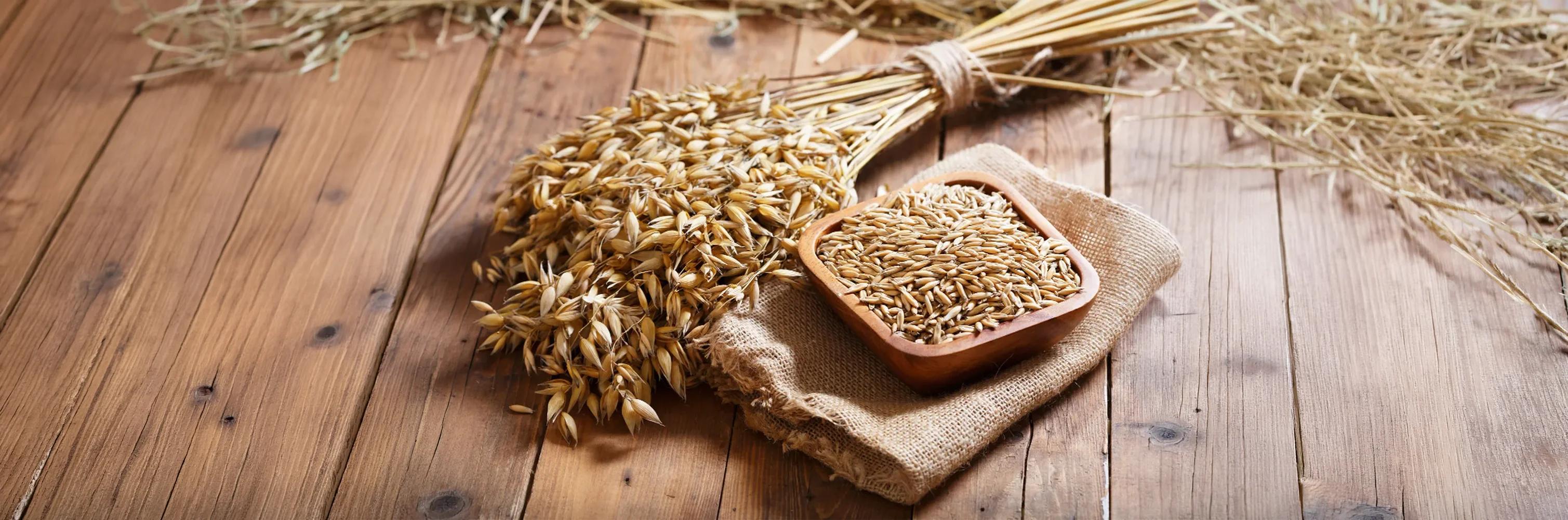
Historians believe that the homeland of rye traces back to Western Asia and Anatolia. Initially growing as a weed among wheat fields, rye gradually became a valuable grain for farmers thanks to its remarkable resistance to cold and drought.
Rye gained particular popularity in Northern and Eastern Europe — in regions with harsh climates such as Russia, Poland, Germany, and the Scandinavian countries. While wheat struggled to grow in these regions, rye adapted with ease and became the primary ingredient of bread and traditional dishes. It continues to be cultivated worldwide today, though it retains its cultural and historical significance especially in these cold-climate geographies.
How Is Rye Consumed?
The ways in which rye is consumed are quite varied. In fact, the form in which we most frequently encounter rye in kitchens is its ground form — that is, rye flour. However, rye consumption is of course not limited to flour alone.
Rye grains add a pleasant crunch when mixed into salads. Rye porridge, much like oats, creates a practical meal when mixed with milk or yogurt at breakfast. In traditional recipes, rye is also used to thicken certain soups and enrich their flavor. In short, rye takes on many different roles in the kitchen thanks to its versatility.
What Products Are Made from Rye?

Among the products made from rye, rye bread naturally comes first. Indispensable in traditional German and Scandinavian cuisine, these breads are denser, darker in color, and have a slightly tangy taste compared to wheat bread. Rye is also a popular choice for crackers and crispbreads, as it gives them a unique crunchiness and a fibrous texture.
There are also certain alcoholic beverages produced through the fermentation of rye. Rye also appears as an important ingredient in breakfast cereals and muesli mixes. In short, rye finds its way to our tables both as a staple food and as part of enjoyable snacks.
The Differences Between Wheat and Rye
When comparing rye and wheat, the biggest difference emerges in fiber content and gluten structure.
- Rye generally contains a higher proportion of soluble fiber than wheat. In this respect, it may provide greater support to the digestive system.
- On the other hand, the gluten in rye also has a different structure from that in wheat. The amount and quality of gluten in rye causes the dough to be less elastic and denser.
- In other words, breads made with rye flour do not rise as fluffy as wheat bread, but they are more filling.
- Additionally, rye can generally offer a richer nutritional profile than wheat in terms of B vitamins and minerals such as iron, magnesium, and zinc.
The Effect of Rye on Nutrition

As expressed in various sources, rye has many effects, particularly those arising from its fibrous structure.
- The high fiber content in rye may primarily help support the digestive system.
- At the same time, this fiber swells by absorbing water in the stomach and may help provide a prolonged feeling of fullness.
- With the minerals and vitamins it contains, it may also support the maintenance of normal functions of the overall immune system.
Lifalif Rye Products and Recipe Suggestions
Eti brings the effects and unique flavor of rye to your table in a way that suits modern dietary habits through its Lifalif products.
The rye-containing products of Eti Lifalif offer practical solutions especially for fiber-rich and delicious breakfasts. The cereals in which Eti Lifalif combines oats and rye are ideal for getting the day off to a great start.
Recipe Suggestion: A Balanced and Practical Rye Yogurt Bowl
- Place plain yogurt (preferably strained) in a bowl.
- Sprinkle Eti Lifalif 4-Grain Porridge on top.
- Add a few pieces of seasonal fruit such as strawberries, banana, or pomegranate seeds.
- As a final touch, add some walnuts or hazelnuts to increase both the protein and healthy fat content of the recipe.
Combine the flavor of rye with Eti's products and enjoy a delicious day!
*The information provided in this article is for informational purposes only. It does not constitute medical advice, treatment recommendations, or warnings. Prior to consuming rye and rye-based products or making changes to your diet, please consult a physician or relevant specialist regarding the suitability of this fibrous structure for any celiac disease, gluten sensitivity, or digestive conditions you may have.
Sources:
- “Rye | Description, Uses, & Cultivation”, Encyclopedia Britannica, 2024. (online)
- “Is Rye Bread Healthy? Nutrients, Benefits, and More”, Healthline (Medically Reviewed), 2023. (online)
- “Rye intake, health and potential mechanisms: A theoretical framework”, National Center for Biotechnology Information (NCBI), 2022. (online)