What Is Sesame? Its Effects, Uses, and Its Role in Eti Products
Sesame, which adds a distinctive taste to dishes with its rich oil content and unique aroma, is without doubt the hidden star of the kitchen! So, exactly how much do you know about these golden seeds?
07/10/2025
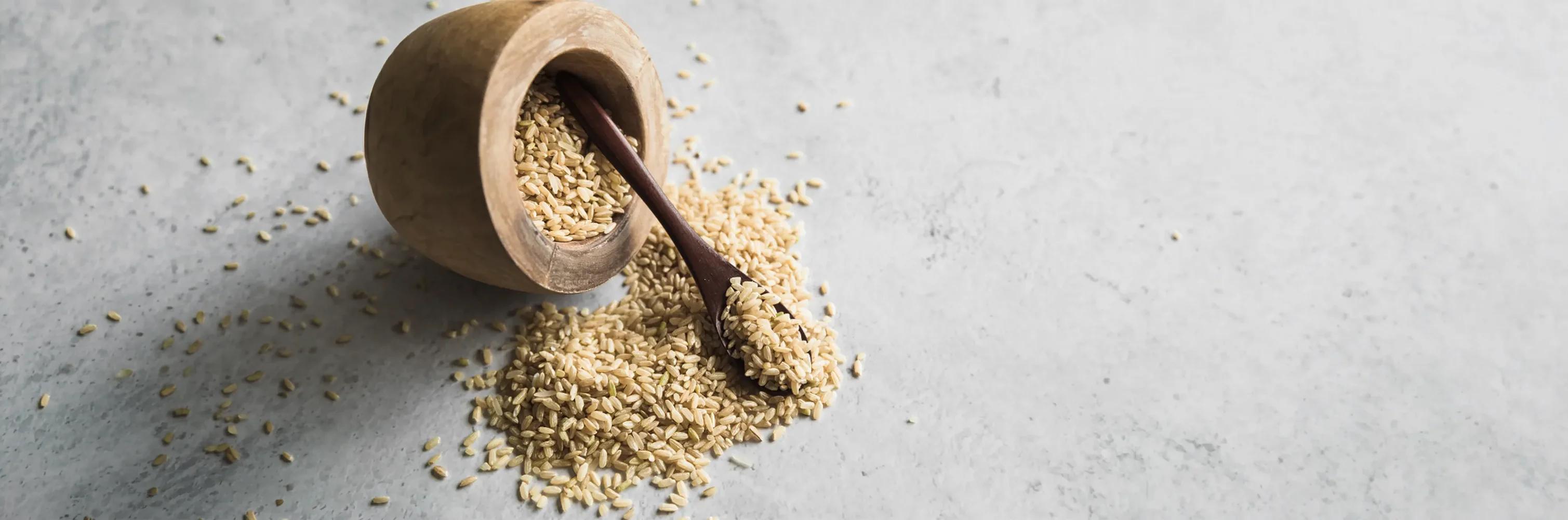
Sesame, known by its Latin name Sesamum indicum, can transform many recipes into a balanced and delicious alternative with its rich nutritional value. Yet the history, uses, and effects of sesame — found in every kitchen — often go unnoticed. Let's discover together everything you have wondered about sesame and its enjoyable role in Eti products!
Editor's Note: This content is intended solely for general informational and recipe purposes; it does not constitute any nutritional advice or health recommendation. Consumption needs may vary from person to person. Each individual's health status and needs may differ; if you have a specific condition, it is recommended that you consult a specialist.
What Is Sesame?
Sesame is the seed of an annual plant that favors tropical and subtropical climates. These seeds sit inside the plant's pod-shaped fruits. When the pods ripen, they burst open on their own, scattering the seeds. In other words, the source of that crunchy flavor in our kitchen is a gift that nature offers of its own accord.
The color of these small, oval-shaped seeds ranges from white and brown to even black. However, the variety we most commonly encounter — the one used in baking — is the light-colored type. Considered one of the world's oldest oilseeds, sesame has been used for thousands of years in both cooking and traditional medicine.
The History and Cultural Journey of Sesame
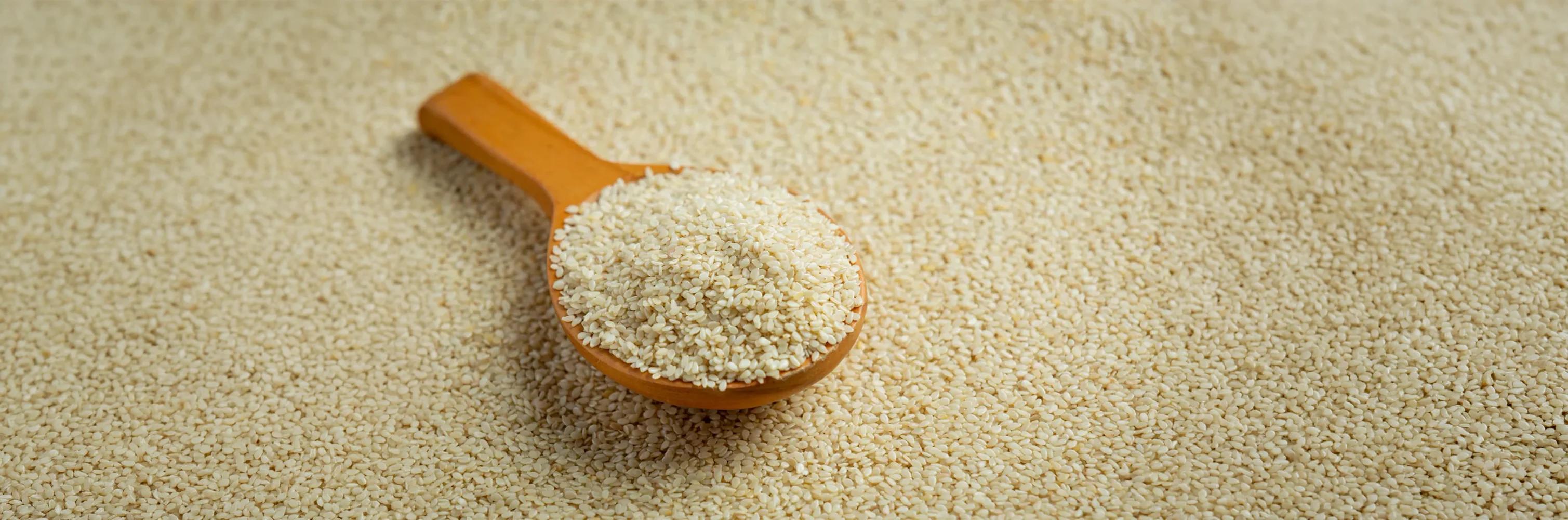
The history of sesame goes back to the earliest periods of known civilizations. Experts say that sesame first appeared in Africa and then spread rapidly to India, the Middle East, and the Far East. The use of sesame oil is mentioned even on clay tablets from Mesopotamia dating back to around 3000 BCE.
Throughout history, this tiny seed has had a place at the table of many ancient cultures, from the Sumerians and Egyptians to Ancient Greece and Rome. Some old legends even tell of the gods sampling sesame. Its arrival in Anatolia naturally came through the Silk Road and other trade routes. Beyond being a food, sesame also carries cultural meaning as a symbol of abundance, good fortune, and longevity.
How Is Sesame Grown and Processed?

Sesame loves warm weather and is quite a drought-resistant plant, so it is mostly grown in Mediterranean and tropical regions. The seeds ripen approximately three to five months after planting. When harvest time arrives, the plant stems are cut and the seed pods are left to dry in the sun. Right at this moment, the magical part begins: as the pods dry, they crack open with a snap and their seeds spill out.
The harvested seeds are then cleaned and their hulls are generally removed. Unhulled sesame has a more intense, nutty flavor, while the hulled variety has a milder, creamier taste. Sesame goes through different processes depending on whether it will be used as tahini, as a simit topping, or simply as oil.
The Nutritional Value and Effect of Sesame
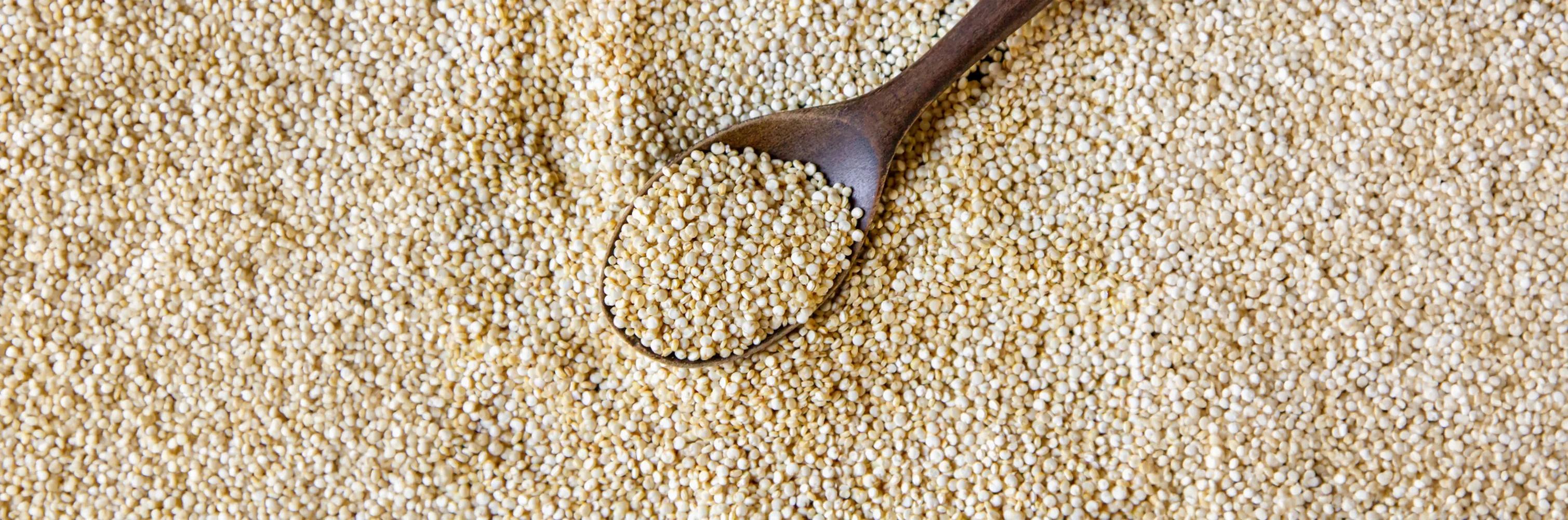
As expressed in various sources, sesame may offer multifaceted contributions to nutrition with its content rich in healthy fats, protein, and fiber.
- Fats: Sesame is stated to be very rich in unsaturated fatty acids, namely linoleic and oleic acids.
- Minerals: It contains important minerals such as calcium, iron, magnesium, phosphorus, and zinc. It is reported to be a good source of calcium especially for those who avoid dairy products.
- Lignans: The most striking components of sesame are the lignans known as sesamin and sesamolin. Thanks to their powerful antioxidant properties, these compounds may help neutralize the harmful effects of free radicals in the body.
- Fiber: Thanks to its high fiber content, it may contribute to regularly supporting the normal functioning of the digestive system.
How Is Sesame Used in Eti Products

Eti aims to offer its consumers both enjoyable and balanced alternatives. Sesame is one of the most important parts of these delicious and quality choices. The distinctive, lightly toasted flavor of sesame creates a unique flavor layer in Eti's various biscuits and crackers.
The sesame used in Eti products provides that famous crunchy texture on crackers, while also helping to boost the nutritional value of the product with its healthy fats.
Sesame Eti Products
Eti's wide product range offers many options that bring the flavor of sesame to the forefront. Here are some of the popular sesame Eti products currently on the shelves:
- Eti Crax Susamlı Çubuk Kraker: İncecik, uzun ve çıtır çıtır yapısıyla Eti Crax, susamın kavrulmuş tadını en belirgin şekilde hissettiriyor.
- Eti Form Susamlı Kepekli Bisküvi: Offers a wonderful alternative for those watching their figure. The combination of bran and sesame may help support the feeling of fullness.
- Eti Burçak Susamlı Kepekli Bisküvi: Doğal lif kaynağı olan Burçak’ın klasik lezzeti, susamın aromasıyla birleşince daha da zenginleşiyor. Eti Burçak Susamlı Kepekli Bisküvi özellikle çayın yanına çok yakışıyor.
Sesame’s Place in Turkish Cuisine and Its Use in Recipes

Sesame's place in our cuisine goes far beyond being a mere garnish — it carries a cultural flavor signature. The first thing that comes to mind when sesame is mentioned is simit, and the wonderful aroma of crispy simit is already inseparable from the toasted scent of sesame. But sesame is not just about simit — it is also the primary ingredient in staple foods such as halva and tahini.
If you are looking for practical and quick ways to use more sesame in your kitchen, here are a few ideas:
- Quick breakfast topping: You can prepare an energizing breakfast spread by mixing tahini and grape molasses. Of course, don't forget to be mindful of allergens and expert recommendations!
- Salads and soups: You can achieve both crunchiness and a deep aroma by sprinkling toasted sesame over your salad. For example, you can double the flavor of lentil soup by drizzling a pinch of toasted sesame on top.
- Homemade sesame crackers: If you want to make sesame crackers at home, you can create wonderful snacks with flour, a little oil, and plenty of sesame.
If the delicious crunch of sesame also adds energy to your day, now is the perfect time to choose your favorite sesame Eti product! Don't forget to share your favorite sesame Eti flavor with us!
*The information provided in this article is for informational purposes only. It does not constitute medical advice, treatment recommendations, or warnings. Prior to consuming sesame and sesame-based products or making changes to your diet, please consult a physician or relevant specialist regarding sesame allergy, chronic conditions, or special dietary requirements.
Sources: