What Is White Chocolate? Its Characteristics, Differences, and Its Place in Eti Products
White chocolate, where cocoa meets its most refined form, takes the pleasure of sweets to a whole new dimension with its wonderfully soft texture and milky taste. Discover how this flavor comes to life in Eti's special recipes!
07/10/2025
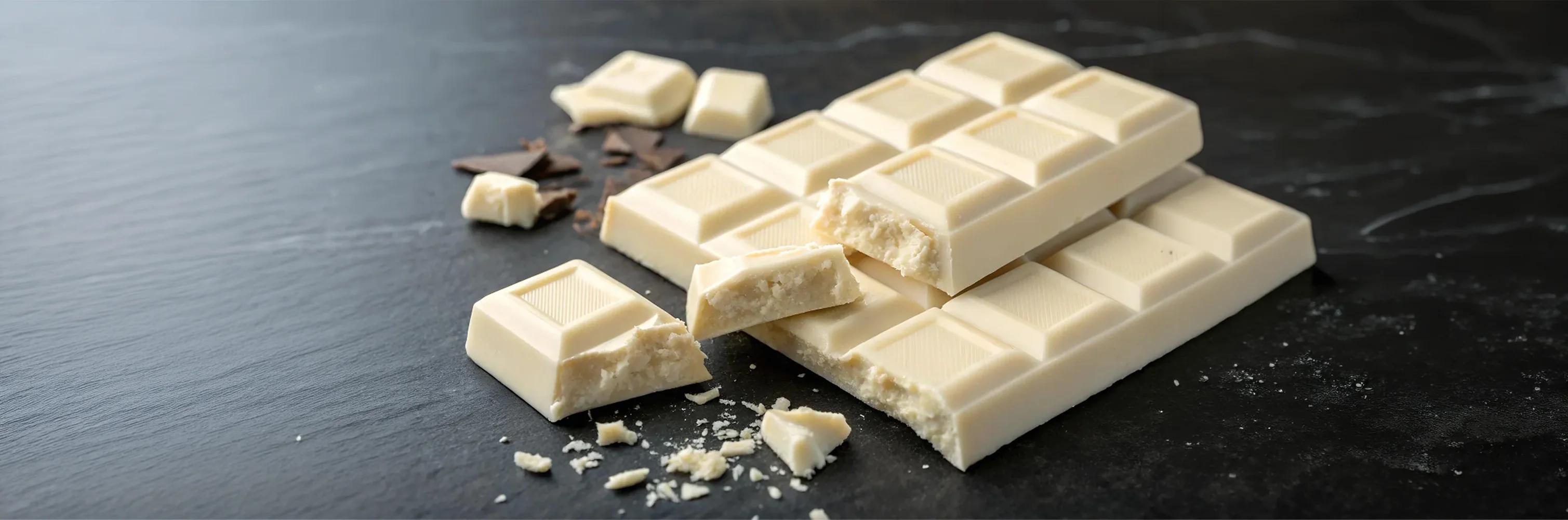
Offering a lighter, creamier, and more refined flavor than the intense aroma of cocoa, white chocolate holds a special place in the hearts of sweet lovers. This unique type of chocolate, obtained using only the fat of cocoa, leaves a silky taste on the palate with its smooth texture and vanilla-like aroma. Do you know the secrets behind this sweet mystery and its unique place in Eti products? Get ready — we are about to discover together the story, characteristics, and culinary role of white chocolate!
Editor's Note: This content is intended solely for general informational and recipe purposes; it does not constitute any nutritional advice or health recommendation. Consumption needs may vary from person to person. Each individual's health status and needs may differ; if you have a specific condition, it is recommended that you consult a specialist.
What Is White Chocolate?
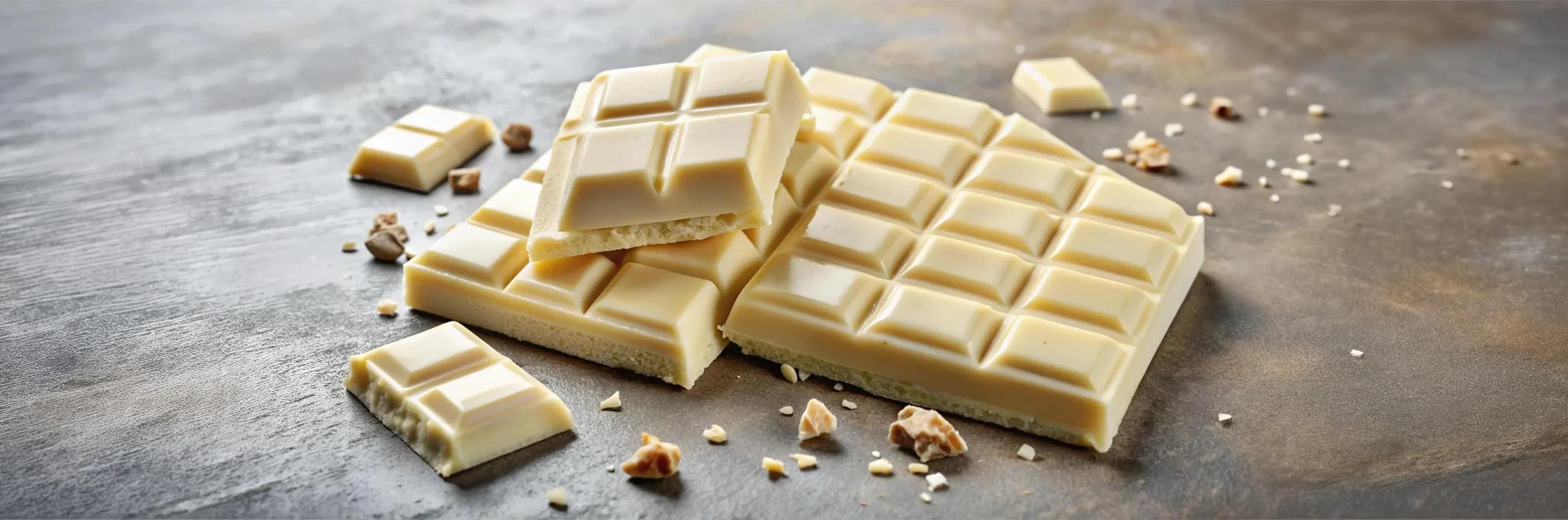
White chocolate is a type of chocolate prepared with cocoa butter — the fat of the cocoa bean — along with milk powder, sugar, and flavorings such as vanillin. Unlike classic milk or dark chocolates, it contains no cocoa mass. For this reason, its color is light and its taste is much softer, milkier, and creamier. The natural luster and smooth texture of cocoa butter gives white chocolate both an elegant appearance and a melt-in-your-mouth consistency.
How Is White Chocolate Made?
The culinary adventure of white chocolate begins in the same place as other chocolates. Cocoa beans harvested from the field are roasted and then ground. During this process, both the solid cocoa mass and the liquid cocoa butter are extracted from the bean. At the production stage, these two components are separated, and only the precious fat is used for white chocolate. In other words, white chocolate is not merely a by-product — it is a deliberate choice in its own right.
Powdered sugar and milk powder are then added to the cocoa butter. Next comes the most critical stage: conching. This essentially means stirring the chocolate paste for hours, resulting in that smooth, silky texture. After all, what distinguishes a good white chocolate from others is precisely the quality of its silky melt. It is enriched with flavorings such as milk and vanilla, and takes its final form before being poured into molds.
Differences Between White Chocolate, Milk Chocolate and Dark Chocolate
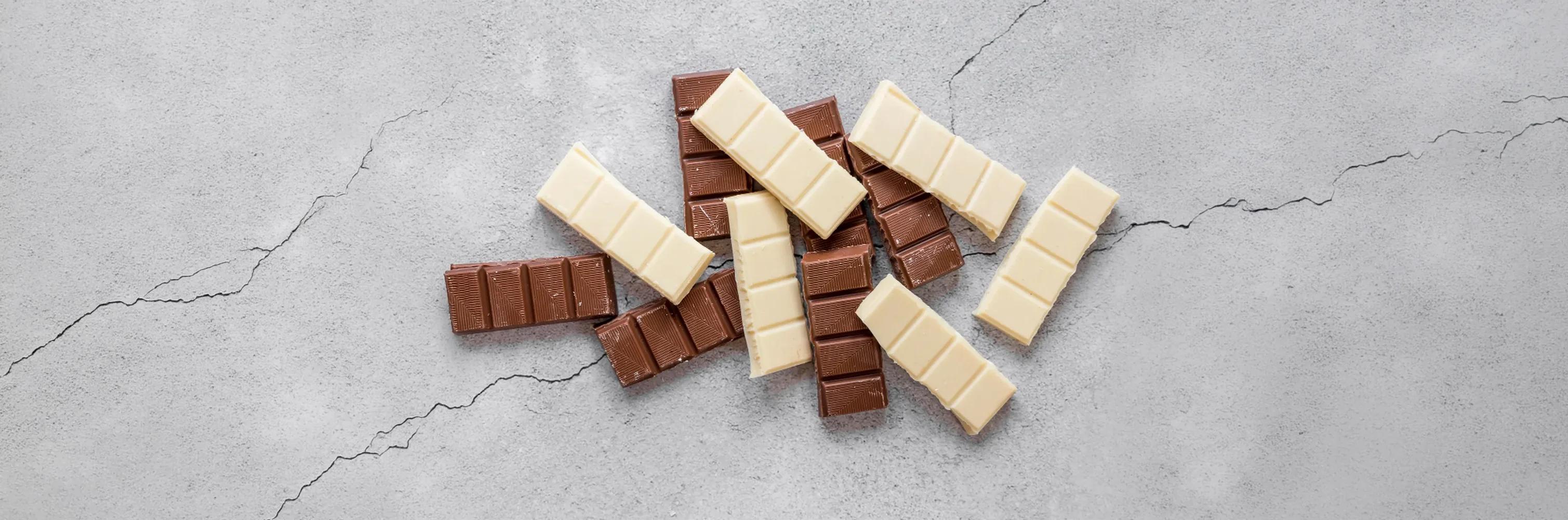
White chocolate does not contain the cocoa mass included in the standard definition of chocolate. In dark chocolate, a deep, sometimes slightly bitter, earthy taste created by the cocoa mass is dominant. In milk chocolate, this bitterness is balanced, yielding a more harmonious flavor. White chocolate, on the other hand, offers a much milder taste. It takes only the light, natural aroma of cocoa butter and combines it with the creamy texture of milk and sugar.
The Flavor Profile and Uses of White Chocolate
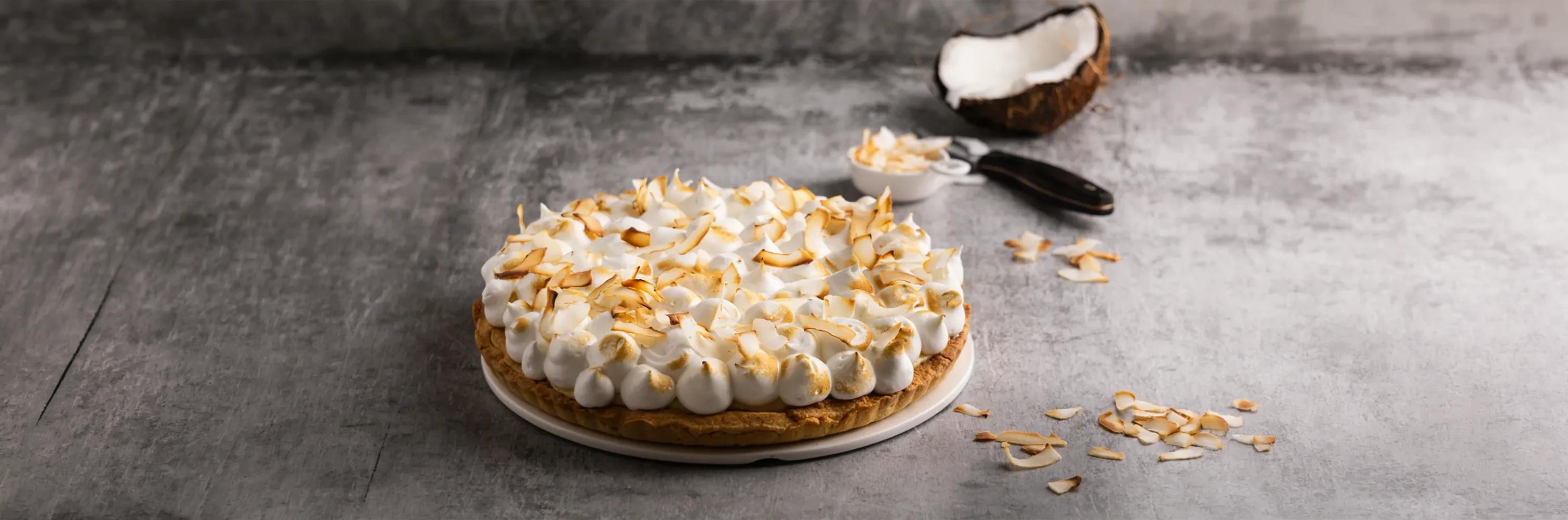
White chocolate offers a remarkably layered flavor profile. The dominant sweetness combines with the warm notes of vanilla and milk. This creamy and intense flavor makes white chocolate a versatile ingredient in the kitchen. For example, this chocolate pairs wonderfully with tart fruits. When grated over a lemon tart, it gently envelops the sharp acidity of the lemon. In other words, it steps in as a balancing element.
- In baking and pastry: When added to the dough of cookies or cakes, white chocolate keeps the texture moist and imparts that delicious, buttery flavor.
- In sauces: When poured over hot-served fruits or ice cream, it sets quickly and adds a delightfully crunchy texture to the recipe. Some people even add white chocolate to their coffee.
Where Is White Chocolate Used in Eti Products
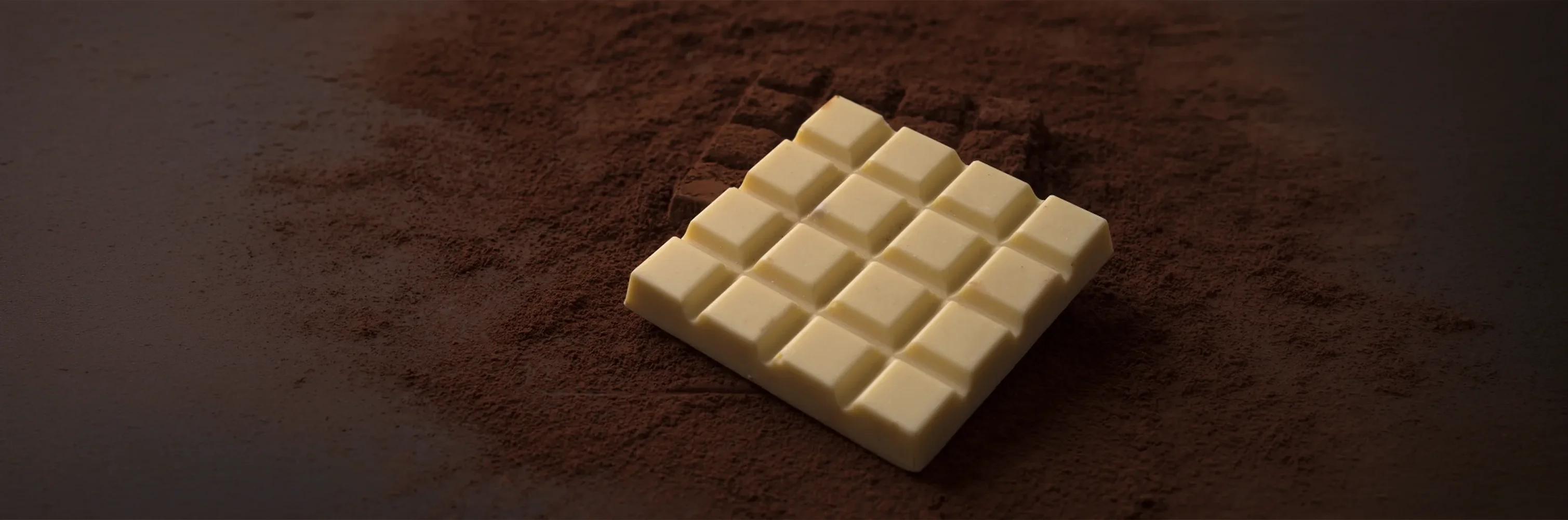
Eti uses the intense and layered flavor of white chocolate to strengthen the character of its products:
- In coatings: By fully coating biscuits or wafers, it adds a sweet, creamy, and vanilla-flavored touch to the overall taste of the product. For example, that smooth layer melting over a crispy wafer often gets its flavor from white chocolate.
- In fillings: When used in the filling of a product, it creates a contrast to the main chocolate or cocoa flavor, delivering a layered explosion of flavor in the mouth.
- In chocolate bars: Eti brings the intense and unique taste of white chocolate to consumers in its range of delicious chocolate bars.
White Chocolate Eti Products
Eti offers many delicious options in stock for white chocolate enthusiasts. Here are those products for those looking for a delightful escape that sweetens life:
- Eti Petito: Eti Petito, a favorite especially among children, has special series containing white chocolate. Petito is perfect for those looking for a fun and innocent flavor.
- Eti Popkek: The Popkek varieties featuring white chocolate take the familiar Popkek experience to a creamier dimension. For example, Eti Popkek Mango Sauce White Chocolate is among the most beloved in the series!
- Eti Gold Antep Fıstıklı Karamelize Beyaz Çikolata: This chocolate, which combines caramelized white chocolate flavor with pistachios, is among the must-haves for those who know their taste.
- Eti Çikolata Karamel Patlaklı Beyaz Çikolata: Crispy caramel-popping chocolate meets the refreshing taste of white chocolate, resulting in an irresistibly delicious flavor.
White Chocolate Recipes to Make at Home
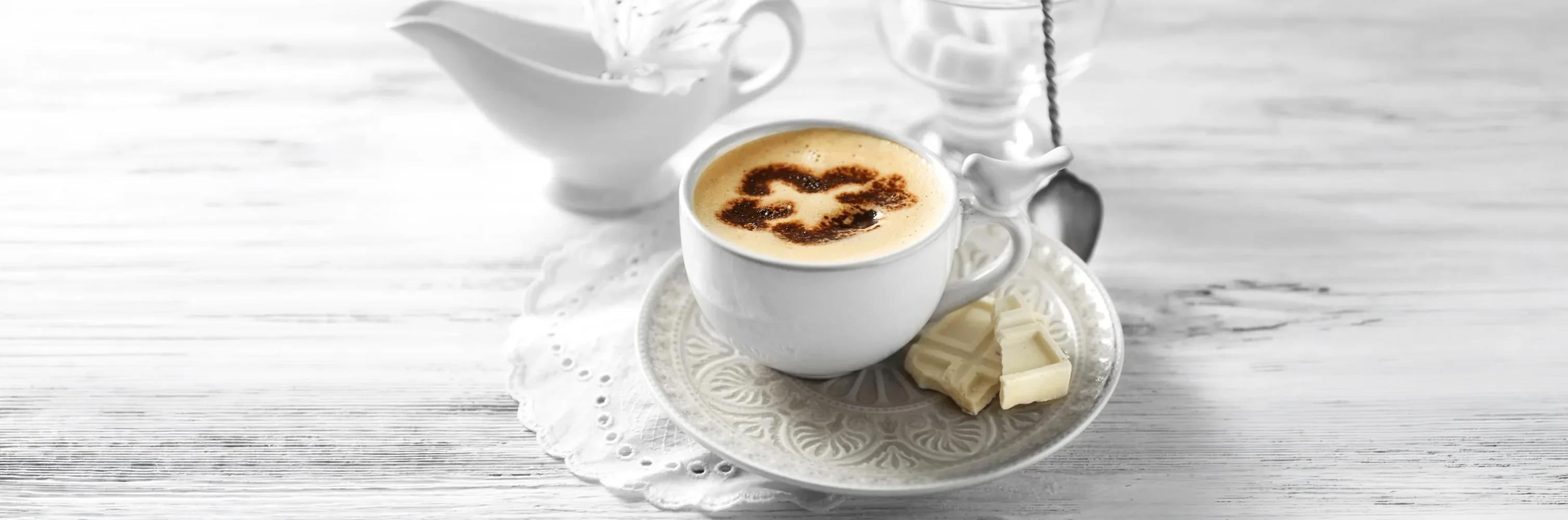
White chocolate is one of those types of chocolate that offers great ease when it comes to melting and shaping. Thanks to this, you can make a variety of enjoyable recipes at home with white chocolate:
- White chocolate and biscuit truffles: Crumble Eti biscuits, mix with melted white chocolate and a little cream. Shape into balls and roll in desiccated coconut or colored sprinkles. Your quick, delicious, and easy dessert is ready!
- White chocolate hot drink: Drop pieces of white chocolate into hot milk and melt. Adding a pinch of vanilla or cinnamon, you can prepare a delightful drink for cold winter days.
White chocolate is an indispensable part of joyful moments, delicious escapes, and culinary creativity. So, which of Eti's wonderfully delicious white chocolate products will you try first?
*The information provided in this article is for informational purposes only. It does not constitute medical advice, treatment recommendations, or warnings. Prior to consuming products containing white chocolate or making changes to your diet, please consult a physician or relevant specialist regarding lactose intolerance, milk allergy, diabetes, or any other specific health conditions you may have.
Sources:
- “CFR - Code of Federal Regulations Title 21 (White Chocolate Standard)”, U.S. Food and Drug Administration (FDA), 2024. (online)
- “What Is White Chocolate? (Ingredients and Production)”, The Spruce Eats, 2023. (online)
- “White Chocolate: Composition and Manufacturing”, ScienceDirect (Elsevier), 2017. (online)
- “Cocoa butter | Description, Uses, & Substitute”, Encyclopedia Britannica, 2024. (online)